
dotlah! dotlah!
  • Cities
  • Technology
  • Business
  • Politics
  • Society
  • Science
  • About
Social Links
  • zedreviews.com
  • citi.io
  • aster.cloud
  • liwaiwai.com
  • guzz.co.uk
  • atinatin.com
0 Likes
0 Followers
0 Subscribers
dotlah!
  • Cities
  • Technology
  • Business
  • Politics
  • Society
  • Science
  • About
  • People

Want To Know Your Real Origin? Here’s How To Do Proper Research

  • July 7, 2020
Total
0
Shares
0
0
0

Looking into one’s own genealogy can be a fun topic to dive in. However, to get the best results, you have to do your research the right way. A first great step in figuring out your ancestry is by talking with your relative to find out more about your family tree. After you’ve found out a little more about your ancestors, you can now elaborate on your research by looking at local records. Many of the descendants of people who live in North America are descended from immigrants who chose to settle there, so if you really want to take your research to the next level, you can look up your ancestors’ immigration records.

Finally, once you’ve found out more about your family line through their immigration records, you can now look up any family records from the old country they immigrated to discover even more about your family’s past.

This article will go over four basic steps on how to properly research your family’s genealogy.

Talk to Your Family

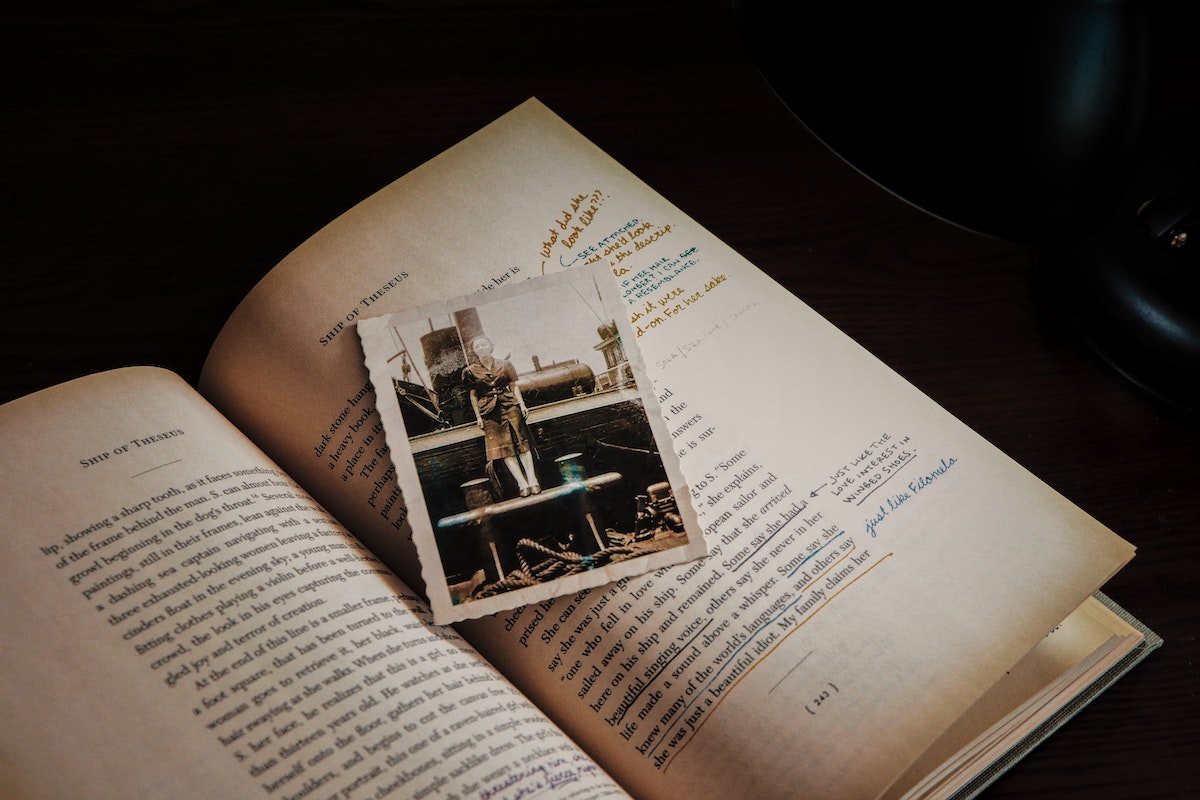
If you want to start looking into your family tree, the first thing you should do is talk to your family to find out more about your family’s history. Talk to the oldest members of your family, like grandparents or great aunts and uncles, to find out more about their parents and grandparents. If you need a little help in stocking their memory, ask them to pull out an old photo album and ask who the family members in each photo are and a few facts about their life.

Look Up Public Records

After you’ve talked to your family about your ancestors next, you should consider looking into any public records concerning your family. Start by going to the town hall or your municipal archives and look up any birth, marriage, or death certificates you can find for your family members. Many documents have now been posted on online databases, so you can even learn about your genealogy from the comfort of your own home! If you need any more tips on properly utilizing these resources, you can start your readings https://www.recordclick.com/expert-genealogists-share-their-tips-for-successful-genealogy-research/ One thing to note is that while doing your research you should try to get copies of each document you find then try to gradually stitch together a rough family tree.

Look Up Immigration Records

North America is a very diverse region with people from all over the world to live there. Luckily, there exist very detailed immigration records documenting this you can look into. Many of these documents have also been posted online, but if your family immigrated to your current country over a hundred years ago, you might have to go to your regional or federal archives to find the paper documents. When you find these files, try to uncover any details you can about your ancestors such as which port they emigrated from or which town in the old country they lived as this can be an important stepping stone in finding out more about your family’s history in the old country.
Research Records from the Old Country

If you end up finding your ancestors’ immigration papers, you can go dig even deeper into your family’s genealogy by looking at the public records of the countries your family members emigrated from. If you’ve figured out which area your family came from in the old country, try to see if there are any documents that the municipality has posted or try to find any emigration documentation at the port your family left from. If you want to take your genealogy experience to the next level, you can always plan a trip to your family’s home country and do some hands-on research.

You never know what you’ll find when you start looking into your own genealogy, but if you want to start the adventure of unraveling your family tree, you have to do your research the right way. First, start by meeting up and chatting with your family members to get a better idea of who your ancestors were and what they did in their lives. After you have a solid feel for your family tree, go and look up some public records to discover your family records like birth, marriage, and death certificates. Who knows you may discover a family member you never knew about? In addition, there are plenty of immigration records in North America, so after checking out, your local archives try to check out any federal immigration records.

If you want to take your search to the next level, use any immigration records, you find to track your family’s history in the old country and continue your research. Follow these steps, and you can research your family’s history like a pro, who knows what interesting anecdotes researching your genealogy can reveal!


Total
0
Shares
Share
Tweet
Share
Share
Related Topics
  • Family History
  • Family Tree
  • Genealogy
dotlah.com

Previous Article
  • Lah!
  • Technology

Meet The 19 New Startups Accepted Into SMU Business Innovations Generator’s Second Cohort Of 2020

  • July 4, 2020
View Post
Next Article
  • People
  • Technology

How Coronavirus Is Shaping The Future Of The Workplace

  • July 7, 2020
View Post
You May Also Like
View Post
  • People
  • Working Life

About 23,000 community care sector employees could get at least 7% pay raise as part of new salary guidelines

  • dotlah.com
  • February 18, 2026
View Post
  • People
  • Technology

This is what the new frontier of AI-powered financial inclusion looks like

  • dotlah.com
  • January 2, 2026
View Post
  • People
  • Working Life

Skills development is critical to bridging the global digital talent gap

  • dotlah.com
  • December 22, 2025
Points, Lines and a Question
View Post
  • Engineering
  • Op-Ed
  • People

What Is The Point In Making Points?

  • Dean Marc
  • November 27, 2025
View Post
  • Cities
  • People

We must empower local leaders to meet global goals – here’s why

  • dotlah.com
  • November 4, 2025
View Post
  • People

Singapore’s national identity excludes those who don’t look like a ‘regular family’

  • dotlah.com
  • October 9, 2025
View Post
  • People
  • Politics

Singapore PM Wong arrives in Malacañang

  • dotlah.com
  • June 4, 2025
View Post
  • Featured
  • Features
  • People

Conclave: How A New Pope Is Chosen

  • Dean Marc
  • April 25, 2025


Trending
  • 1
    • Cities
    ST Engineering And URA Extend Digitalisation Tools For Global Urban Development
    • March 16, 2020
  • 2
    • Cities
    The Impact Of COVID-19 On Future Mobility Solutions
    • May 16, 2020
  • 3
    • Cities
    • Technology
    How Urban Farmers Are Learning To Grow Food Without Soil Or Natural Light
    • July 18, 2019
  • 4
    • Cities
    • Lah!
    Shell To Launch Singapore’s First Fully-Electric Ferry Service
    • September 24, 2021
  • 5
    • Cities
    • Lah!
    Land Transportation Master Plan 2040: Bringing Singapore Together
    • May 27, 2019
  • new york 6
    • Cities
    • Scapes
    How To Explore NYC On A Low Budget
    • January 11, 2021
  • iceland-landon-arnold-MgWEUyCU0rs-unsplash 7
    • Cities
    • World Events
    How To Build More Resilient Countries After The COVID-19 Pandemic
    • February 16, 2021
  • 8
    • Lah!
    • Technology
    Report Maps Out How Companies Can Redesign Their Finance Function Amid Digital Transformation
    • August 28, 2020
  • cities-with-the-fastest-5g-download-speeds-globally-24771 9
    • Cities
    • Technology
    The Cities With The Fastest 5G Speeds
    • May 1, 2021
  • 10
    • Lah!
    • Science
    • Technology
    Singapore Viewed As A Competitive Global Science And Technology R&D Hub In The Next Decade: SGInnovate Study
    • February 5, 2020
  • singapore-street-from-above-chuttersnap-d271d_SOGR8-unsplash 11
    • Cities
    Cities Are At The Heart Of Our Journey To Net Zero. Here’s Why
    • March 12, 2021
  • 12
    • Lah!
    Cooling With Heat: Hybrid Air Conditioner That Reduces Electricity Consumption
    • May 15, 2020
Trending
  • Red Hat OpenShift 1
    Red Hat Further Drives Digital Sovereignty for the AI Era with Red Hat OpenShift on Google Cloud Dedicated
    • April 21, 2026
  • Illustration of data storage 2
    The Splinternet Comes for European Supply Chains Why Fragmentation Is Now a Boardroom Problem
    • April 21, 2026
  • 3
    Here’s how to get the $7 trillion AI hardware buildout right
    • April 18, 2026
  • totus-technologies-cover 4
    The Transatlantic Tech Rift and Why Data Sovereignty Is the New Industrial Imperative
    • April 16, 2026
  • 5
    What will it take to get ships going through the Strait of Hormuz again?
    • April 13, 2026
  • 6
    Hon Hai Technology Group (Foxconn) Recognized As Top 100 Global Innovators 2026
    • April 9, 2026
  • 7
    3 lessons on the energy transition in an age of crisis
    • April 7, 2026
  • 8
    Samsung Unveils Galaxy A57 5G and Galaxy A37 5G, Packing Pro-Level Features at Awesome Price
    • March 25, 2026
  • 9
    The global price tag of war in the Middle East
    • March 24, 2026
  • 10
    Kioxia Announces New SSD Model Optimized for AI GPU-Initiated Workloads
    • March 17, 2026
Social Links
dotlah! dotlah!
  • Cities
  • Technology
  • Business
  • Politics
  • Society
  • Science
  • About
Connecting Dots Across Asia's Tech and Urban Landscape

Input your search keywords and press Enter.