dotlah! dotlah!
  • Cities
  • Technology
  • Business
  • Politics
  • Society
  • Science
  • About
Social Links
  • zedreviews.com
  • citi.io
  • aster.cloud
  • liwaiwai.com
  • guzz.co.uk
  • atinatin.com
0 Likes
0 Followers
0 Subscribers
dotlah!
  • Cities
  • Technology
  • Business
  • Politics
  • Society
  • Science
  • About
  • Lah!
  • Science

Singapore Completes World’s Largest Whole Genome Sequencing Analysis Of Multi-Ethnic Asian Populations

  • October 18, 2019
Singapore’s three major ethnic groups – Indian, Chinese, and Malay. (Illustration by Gloria Fuentes – The Visual Thinker LLP)
Total
0
Shares
0
0
0

A new genetic databank has been established containing the completed whole-genome sequencing (WGS) data of close to 5,000 Singaporeans. Worldwide, WGS is increasingly used in research and healthcare to identify genetic variations using cutting-edge technologies that allow large numbers of individuals to be sequenced rapidly – This new study is the world’s largest WGS analysis of Asian populations, particularly of Indian and Malay populations in the world, and provides valuable insights on the unique genetic diversity of Asian populations that could enable more accurate diagnosis of genetic diseases, empower the research of chronic diseases and guide prevention and targeted therapies. The study was published in Cell on 17 October 2019.
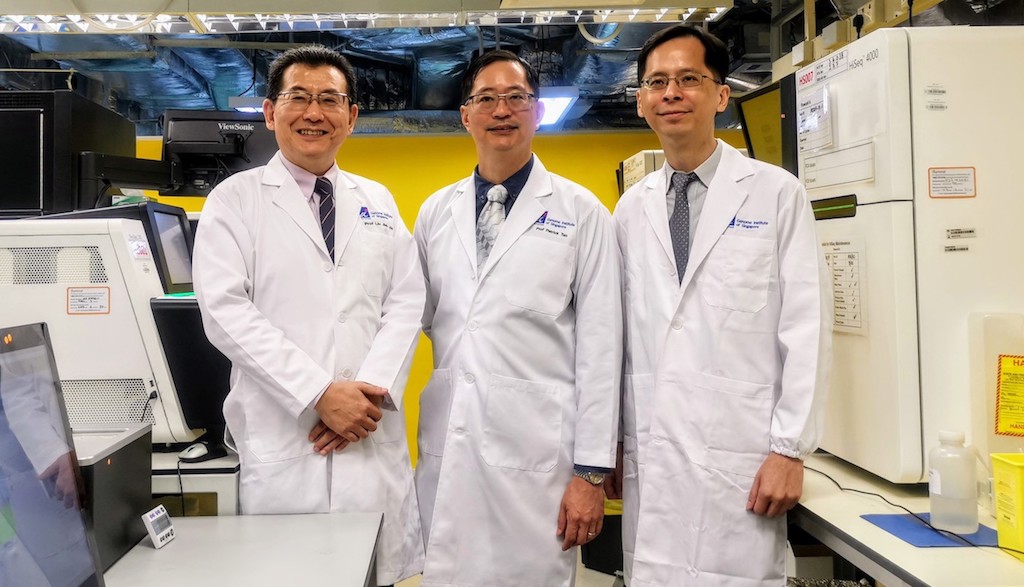
Three of the authors from the study published in Cell, from left: Prof Liu Jianjun (Deputy Executive Director of GIS, and Professor at Yong Loo Lin School of Medicine, NUS), Prof Patrick Tan (Executive Director of GIS, and Director of SingHealth Duke-NUS Institute of Precision Medicine, PRISM), and Prof Cheng Ching-Yu (Principal Clinician Scientist at the Singapore Eye Research Institute, representing the study’s participating cohorts).

Genetic variation is known to contribute to an individual’s susceptibility to disease and response to treatments. Populations from different parts of the world show significant genetic diversity that is a consequence of their population histories. Asian populations are not extensively studied and their genetic make-up is poorly understood. These have hindered efforts to discover disease-associated genes that impact on the health of individuals from these populations.

Singapore provides an excellent representation of Asia. It consists of three major ethnic groups (Chinese, Malay, and Indian), which capture 80 per cent of Asia’s diversity. Hence, Singapore investigators performed WGS on close to 5,000 Singaporeans (2,780 Chinese, 903 Malays, and 1,127 Indians) over two years to establish a genetic reference on the local population for subsequent studies.

This study was a collaboration among scientists and clinicians from A*STAR’s Genome Institute of Singapore (GIS), National University Health System (NUHS), Singapore Eye Research Institute (SERI), Tan Tock Seng Hospital (TTSH), National Neuroscience Institute (NNI), Khoo Teck Puat Hospital (KTPH), National University Hospital (NUH), SingHealth Duke-NUS Institute of Precision Medicine (PRISM), National University of Singapore (NUS) and Singapore General Hospital (SGH).

Study findings

The study revealed a noticeable degree of genetic intermingling among the three ethnic groups, of which Chinese and Malays are more closely related. It suggests that Malays split from Chinese about 24,800 years ago and experienced significant gene inflow with East Asians about 1,700 years ago, coinciding with the Austronesian expansion, a hypothesized historical migration of peoples from Taiwan/East Asia to Southeast Asia and further to remote Pacific and Oceania islands.

In addition, the team identified 98.3 million genetic variants across the Singapore genomes. Of these more than half have not been previously reported in public databases, which to date have focused on Western and European populations. It also identified 20 candidate loci for natural selection where genome sequences were altered as a result of survival and adaptation to local environments during human evolution. 14 loci were found to be associated with human traits and diseases. This may explain why certain diseases and human traits, such as ALDH2 deficiency (Asian Flush), are more or less common in Asians. These results show the relevance and utility of performing genetic studies across diverse populations in Asia.

Professor Liu Jianjun, Deputy Executive Director at GIS and Professor at Yong Loo Lin School of Medicine, National University of Singapore, said, “The study provides comprehensive genetic information and resources on both local Singapore and Asian populations. This will empower research that will help us understand the inherited basis of diseases in Asian populations, that could result in the development of new treatments and ways to predict and diagnose diseases.”

Professor Tai E Shyong, Professor at Yong Loo Lin School of Medicine and Saw Swee Hock School of Public Health, National University of Singapore, as well as Senior Consultant at the Division of Endocrinology, University Medicine Cluster, and Lead of the Metabolic Disease Summit Research Programme at the National University Health System, said, “The history of Singapore, and its peoples, has created a rich multi-ethnic population and unique opportunities to carry out research to improve health. These novel variants present a unique opportunity to make observations that cannot be made in other populations, where these variants are not present. In turn, these observations allow us to develop new ways to predict diseases, and, potentially, identify new ways to treat or prevent them.” Professor Tai has also conducted numerous genetic association studies to better understand the cause of type 2 diabetes, obesity, hypertension and high cholesterol.

Professor Patrick Tan, Executive Director at GIS, Director at SingHealth Duke-NUS Institute of Precision Medicine (PRISM), and Professor at Duke-NUS Medical School, said, “The project provides a pilot genetic map of Asian populations that allows us to measure precisely the genetic contribution to disease, and combine it with other sources of data within a data-driven healthcare system. Potentially, this will provide insights to prevent disease before it occurs, diagnose disease earlier, and ensure that therapies are deployed in a way that maximises clinical benefits while minimising adverse effects. This will benefit both Singapore and the Asian population at large by providing more effective and efficient healthcare services.” 

 

Total
0
Shares
Share
Tweet
Share
Share
Related Topics
  • A*STAR
  • Genes
  • Genome
  • Singapore
  • Whole-Genome Sequencing
majulah

Previous Article
  • Technology

Ahead Of The Curve: Singapore’s Approach To 5G

  • October 17, 2019
View Post
Next Article
  • Technology

StarHub Partners With AirTrunk To Provide World-Class Data Centre Services In Singapore

  • October 18, 2019
View Post
You May Also Like
View Post
  • Cities
  • Climate Change
  • Science

New research may help scientists predict when a humid heat wave will break

  • dotlah.com
  • January 6, 2026
View Post
  • Lah!

Tariffs, Trump, and Other Things That Start With T – They’re Not The Problem, It’s How We Use Them

  • John Francis
  • March 25, 2025
View Post
  • Lah!

Canonical announces 12 year Kubernetes LTS

  • John Francis
  • March 4, 2025
dotlah-smartnation-singapore-lawrence-wong
View Post
  • Artificial Intelligence
  • Featured
  • Features
  • Lah!
  • Machine Learning
  • Technology

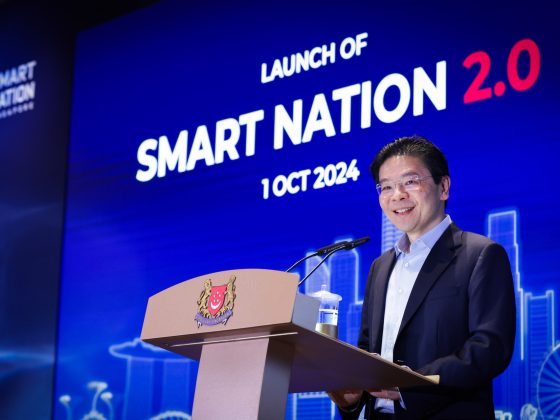
Growth, community and trust the ‘building blocks’ as Singapore refreshes Smart Nation strategies: PM Wong

  • Dean Marc
  • October 9, 2024
dotlah-singapore-ndp-2024
View Post
  • Lah!

Here’s what to expect for NDP 2024!

  • dotlah.com
  • August 9, 2024
dotlah-singapore-airlines_may_21-1716298816
View Post
  • Lah!

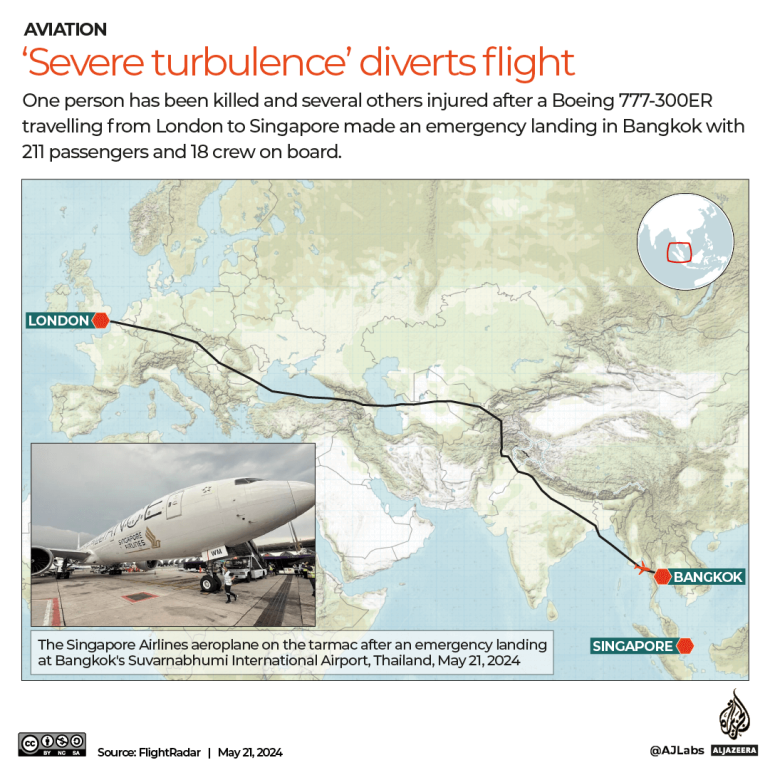
Severe turbulence during Singapore Airlines flight leaves several people badly injured. One man died

  • majulah
  • May 22, 2024
dotlah-pm-lee-lawrence-wong-9656d4cd-1fa4-40ed-905d-e19e639b8476_728802dd
View Post
  • Lah!
  • People
  • Politics

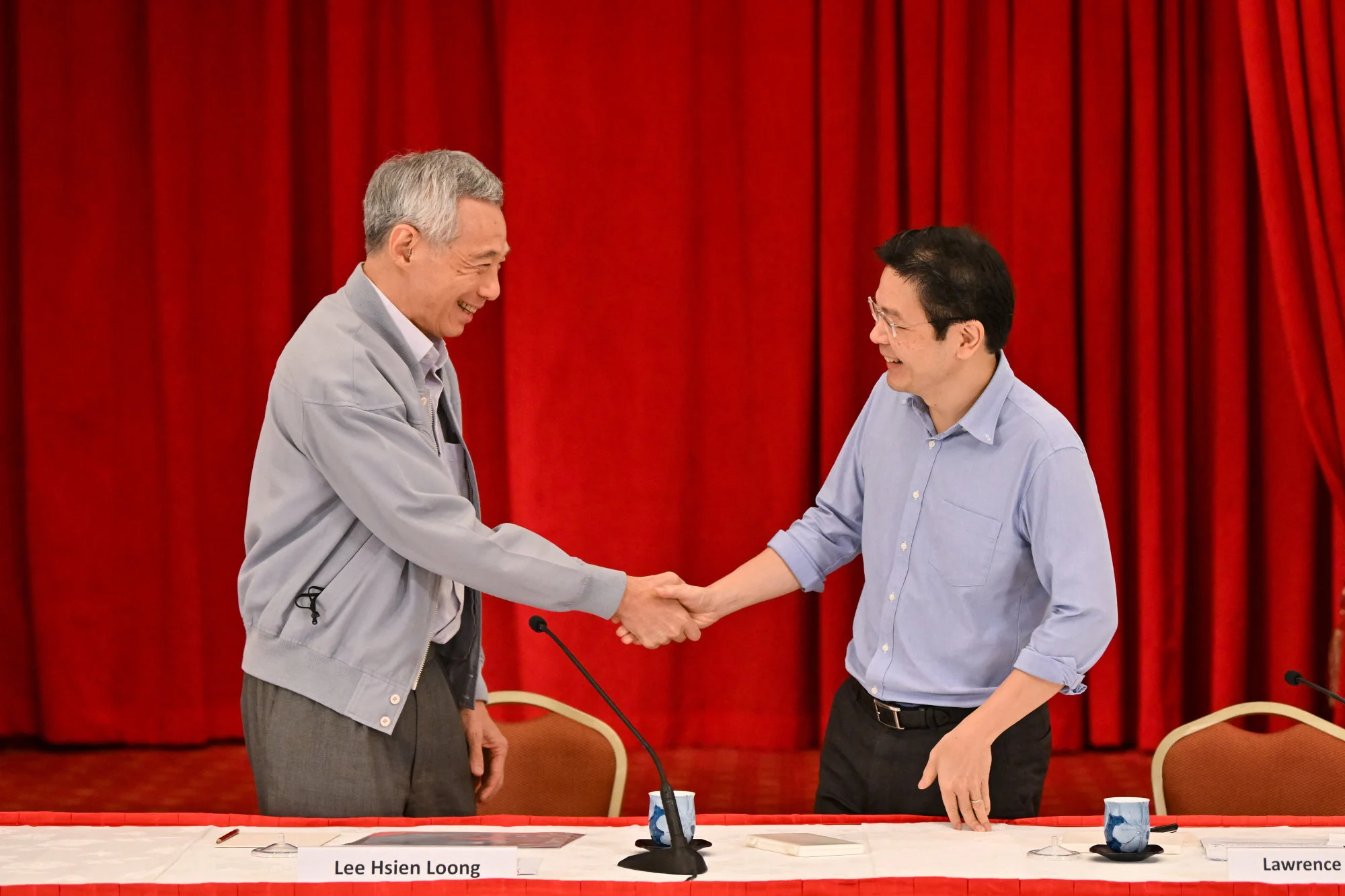
End of Lee Era for Singapore as PM Steps Down

  • dotlah.com
  • May 16, 2024
DPM Lawrence Wong will be Singapore's fourth prime minister on May 15. ST PHOTO: LIM YAOHUI
View Post
  • Lah!
  • People
  • Politics

7 things to know about Singapore’s next prime minister Lawrence Wong

  • dotlah.com
  • May 15, 2024


Trending
  • 1
    • Lah!
    • Technology
    MAS To Create ‘Fairness Metrics’ For AI, Analytics Adoption In Financial Services
    • June 4, 2020
  • 2
    • Cities
    • Lah!
    • Technology
    Punggol To Be A Full-Fledged Smart Town
    • January 18, 2020
  • 3
    • Technology
    Innovating With AI: 5 Steps To Soar
    • January 28, 2020
  • 4
    • Cities
    • Lah!
    Condo Rents Decline In 2020, With One Notable Exception
    • January 28, 2021
  • Cyber Monday Sale and Deals 5
    • Gears
    Cyber Monday. Last Chance for Sales, Deals, Discounts and Favorites.
    • December 2, 2024
  • 6
    • Cities
    Raising The Bar For Smart Cities In Singapore
    • February 26, 2017
  • 7
    • Cities
    • Lah!
    Singaporean Firm To Launch A One-Seater Flying Vehicle In The USA
    • May 8, 2019
  • 8
    • Lah!
    Singaporean Students To Benefit From Freeze in Increases In Autonomous Universities’ Tuition Fees For AY2020
    • April 4, 2020
  • pope-leo-xiv-cq5dam-1500.844 9
    • Artificial Intelligence
    • Technology
    Pope Leo XIV to Publish First Encyclical on Artificial Intelligence and Human Dignity on 25 May
    • May 23, 2026
  • 10
    • Lah!
    • Technology
    More Subsidised Solutions To Support Working From Home For Businesses
    • April 19, 2020
  • city-people-streets-pedestrian-christopher-burns-pzMP-RGJ7mY-unsplash 11
    • Cities
    Living In The City: Taking The First Steps
    • October 7, 2021
  • https://www.statista.com/chart/30591/performative-productive-work/ 12
    • Business
    • Features
    • People
    Who’s Only Looking Busy at Work?
    • August 16, 2023
Trending
  • 1
    Chinese tech giant Huawei unveils Mate 90 series smartphones with flagship Tau chips adopting logic folding technology
    • October 3, 2026
  • 2
    Google Opens Singapore Engineering Center to Build and Export Enterprise Cloud and AI to the World
    • September 15, 2026
  • 3
    Apple Flagship Hardware Launch for September 2026
    • September 10, 2026
  • 4
    MIT researchers tackle the economic realities of fusion power
    • August 10, 2026
  • 5
    ASEAN, treaty parties push stronger cooperation as Treaty of Amity and Cooperation in Southeast Asia marks 50 years
    • July 26, 2026
  • 6
    The Fastest AI Fried Chicken In The World
    • June 29, 2026
  • 7
    Zed Approves | How to Stay Cool in Extreme Heat
    • June 29, 2026
  • 8
    Was Venezuela struck by an earthquake ‘doublet’? Here’s what we know so far
    • June 27, 2026
  • 9
    Zed Approves | It’s Prime Day 2026! Time to Upgrade Your World Cup Viewing Setup and Beat the Heat
    • June 25, 2026
  • 10
    Zed Approves | The Best Prime Day PC Deals: Top Gaming Rigs, Workstations, and Everyday Laptops
    • June 25, 2026
Social Links
dotlah! dotlah!
  • Cities
  • Technology
  • Business
  • Politics
  • Society
  • Science
  • About
Connecting Dots Across Asia's Tech and Urban Landscape

Input your search keywords and press Enter.