dotlah! dotlah!
  • Cities
  • Technology
  • Business
  • Politics
  • Society
  • Science
  • About
Social Links
  • zedreviews.com
  • citi.io
  • aster.cloud
  • liwaiwai.com
  • guzz.co.uk
  • atinatin.com
0 Likes
0 Followers
0 Subscribers
dotlah!
  • Cities
  • Technology
  • Business
  • Politics
  • Society
  • Science
  • About
  • Cities
  • Society

How The Coronavirus Market Turmoil Compares To 2008 – And What We Can Do

  • March 14, 2020
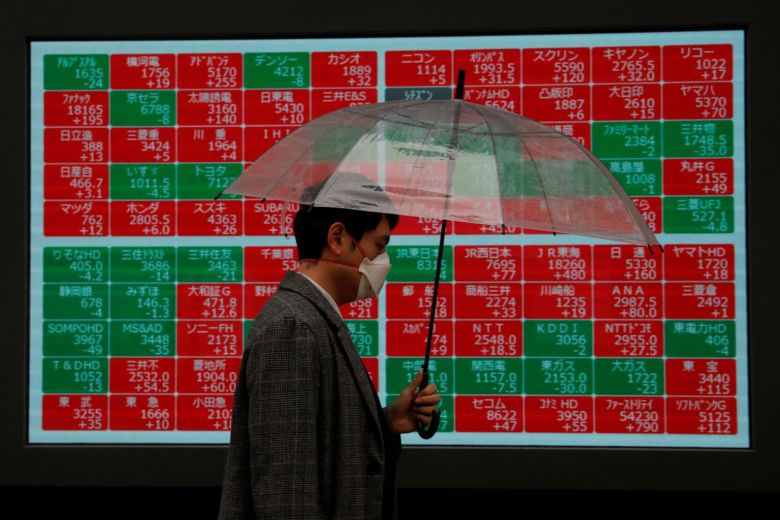
PHOTO: REUTERS
Total
0
Shares
0
0
0

With the Dow having closed in bear market territory last Wednesday, it’s worth looking at where the global economy is now compared to the last time it was in such turmoil.

The global financial crisis of 2008 was sparked by the implosion of the subprime mortgage market in the United States, which gradually became a contagion that spread to banks worldwide and led to a global economic downturn. Today, once more, the equity markets are facing a shock to the system – this time, an actual contagion: COVID-19.

Lessons from 2008

In the 2008 recession, for those with defined contribution savings plans and about to retire, the downturn in the market was especially painful. Taking the US as an example, the S&P 500 Index fell by 37% in 2008, and for long-tenured workers on the verge of retirement, their 401(k) account balances fell by more than 25% as a result, according to an analysis by EBRI. Defined benefit plans faced a double hit to their funded status, which is the key indicator of their health and is measured as pension assets divided by pension liability.

Pension assets took an immediate hit due to equity exposure and the economic downturn. The resulting monetary policy solutions that central bankers applied – lowering short-term interest rates, which was vital to address the banking crisis – also had the effect of bringing down long-term interest rates as well, which is the measure by which pension liabilities are calculated.

For liabilities, a reduction in interest rates results in an increase in liabilities, as in effect more money is required at present to be able to pay out future obligations. This combination of lowered assets on top of increased liabilities led to a sharp drop in funded status for many defined benefit plans, triggering the need for increased contributions at a time when few could afford to do so.

Today, again, pension assets are feeling the initial brunt of the market movement.

The search for solutions

The challenging thing now is the search for solutions. This month alone we have seen three of the five G7 country central banks lower interest rates – the US Fed and the Bank of Canada from 1.75% to 1.25% and the Bank of England from 0.75% to 0.25%. Purely from a pensions perspective, we will again see reduced retirement savings account balances and lower funded statuses for defined benefit pensions as we hit the perfect storm of asset losses and increased liability valuations due to interest rate declines.

We are at the limits of what central banks can do with lowered interest rates. As we can see in the chart, we are already starting from such a low level that central banks simply don’t have the same tools to play with that they did in 2008. In fact, of the two other central banks in the G7, the European Central Bank is already at 0% and the Bank of Japan has been in negative territory (-0.10%) since 2016, which is why they haven’t taken any further action in lowering rates as of this writing.

Image: Compiled with data from Detal Stock

With the 2008 financial crisis, central bankers were able to combine lowered interest rates with quantitative easing (the purchase of securities) in order to increase monetary supply and ease pressure on the banking system.

In the case of COVID-19, one key difference is that the impact is much broader than just one sector. Transportation, hospitality and tourism and small business owners have been the immediate impact but if the virus continues to spread as estimated, any industry relying on manufacturing and production will be affected as well due to the disruption in the global supply chain.

Another wrinkle in terms of recovery is the (sometimes overused) phrase “the new normal,” which in this case, is quite apt. If we need to fundamentally alter our societal behavior and businesses as a result of a prolonged pandemic – or to ward off future pandemics – this has the potential to lengthen the economic recovery time for an even longer period than after the 2008 recession.

What can we do?

First and foremost, we must combat the spread. This will require a combination of government action and individuals modifying their social interaction to stop the spread. We need to heed the advice of experts – epidemiologists and organizations such as the World Health Organization (WHO) for example and be careful not to fall for misinformation spread on social media.

Second, governments will need to enact real economic relief plans – especially for small business owners. Many of these businesses operate on thin margins, and the length of disruption – and possibly permanent disruption – of their businesses has the potential to exacerbate further economic inequality.

Third, the global business community needs to come together to help lead the recovery. The World Economic Forum’s COVID Action Platform aims to galvanize both governments and business leaders to do just that.

These are challenging times, but it is times like these that truly require us all to act together to improve the state of the world.

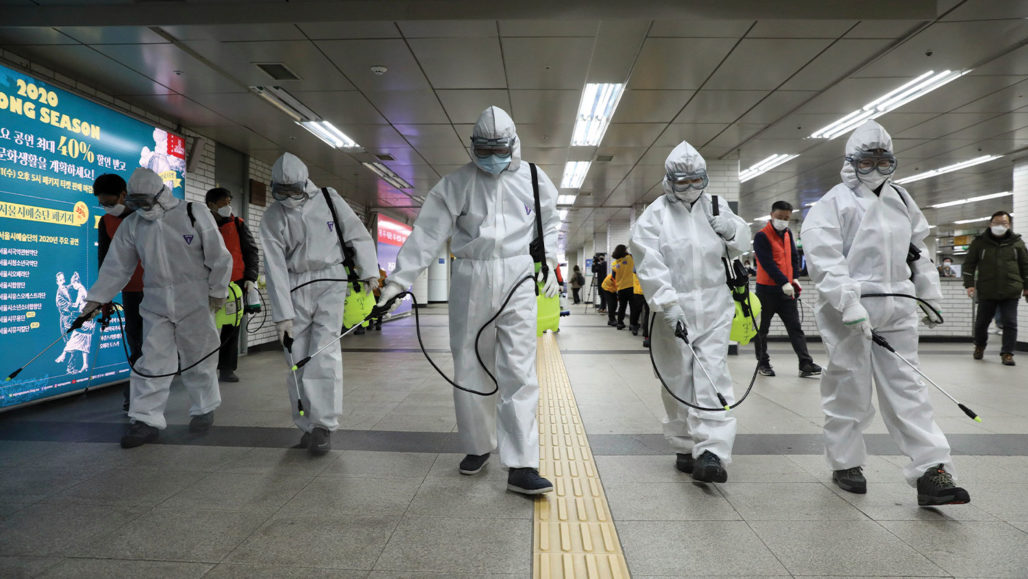
Image: World Economic Forum


Han Yik, Head of Institutional Investors, World Economic Forum

This article is republished from the World Economic Forum.
Total
0
Shares
Share
Tweet
Share
Share
Related Topics
  • Central Banks
  • COVID-19
  • Economy
  • Market
  • Recession
majulah

Previous Article
  • Cities
  • Environment
  • People

How Cities Can Prepare For The Next Pandemic

  • March 13, 2020
View Post
Next Article
  • Technology

IMDA Launches IoT Cyber Security Guide To Help Enterprise Users And Vendors Secure IoT Systems

  • March 15, 2020
View Post
You May Also Like
View Post
  • Cities
  • Environment
  • People

Was Venezuela struck by an earthquake ‘doublet’? Here’s what we know so far

  • dotlah.com
  • June 27, 2026
View Post
  • Cities
  • Economy
  • Politics

The global price tag of war in the Middle East

  • dotlah.com
  • March 24, 2026
View Post
  • Cities
  • Food

How the Iran war could create a ‘fertiliser shock’ – an often ignored global risk to food prices and farming

  • dotlah.com
  • March 6, 2026
View Post
  • Cities
  • Climate Change
  • Science

New research may help scientists predict when a humid heat wave will break

  • dotlah.com
  • January 6, 2026
View Post
  • Cities

How bus stops and bike lanes can make or break your festive city trip

  • dotlah.com
  • December 29, 2025
View Post
  • Cities
  • People

We must empower local leaders to meet global goals – here’s why

  • dotlah.com
  • November 4, 2025
View Post
  • Cities

Politicians love comparing NZ’s economy to Singapore or Ireland – but it’s simplistic and misleading

  • dotlah.com
  • September 21, 2025
View Post
  • Cities
  • Technology

Meralco PowerGen’s PacificLight starts up 100 MW fast-response plant in Singapore

  • dotlah.com
  • June 20, 2025


Trending
  • 1
    • Cities
    • People
    • Technology
    AI vs. elections: 4 essential reads about the threat of high-tech deception in politics
    • March 19, 2024
  • SIMO 2
    • Technology
    SIMO Unveils Solis Go at CES 2025: The Ultimate Mobile Hotspot for Travelers and Emergency Preparedness
    • January 7, 2025
  • 3
    • Cities
    Grab Introduces Holistic Support Programme For Driver-Partners
    • May 27, 2021
  • 4
    • Cities
    • People
    The State Of Gender Equality Across The EU
    • March 17, 2020
  • truck accident 5
    • Features
    • People
    What Are My Rights If A Family Member Has Died In A Truck Accident?
    • December 8, 2020
  • 6
    • Economy
    Trump’s global trade plans are in disarray, after a US court ruling on ‘Liberation Day’ tariffs
    • May 29, 2025
  • 7
    • Cities
    • Lah!
    Environmental Sanitation Regime To Take Effect Progressively From 30 Jul 2021
    • July 29, 2021
  • 8
    • Lah!
    DBS Disburses Record SGD 9 Million To Help Social Enterprises Tide Through Pandemic
    • December 1, 2020
  • 9
    • People
    • World Events
    We’re In Danger Of Drowning In A Coronavirus ‘Infodemic’. Here’s How We Can Cut Through The Noise
    • February 13, 2020
  • 10
    • Cities
    • Society
    Coronavirus: Could The World Have Prepared Better For A Pandemic?
    • May 11, 2020
  • gardening-city-zYr8DGBK-9-YkvjLSCqVPG8W_kAfn66rYvkNvywNj40 11
    • Cities
    How to make our cities greener, healthier, wilder and fairer
    • October 4, 2021
  • British roast beef dinner with Yorkshire puddings. 12
    • Features
    • People
    The Brit List. Tasty Tales From The Land Of Roasts, Toasts And Coast-To-Coast Feasts!
    • June 27, 2023
Trending
  • 1
    Chinese tech giant Huawei unveils Mate 90 series smartphones with flagship Tau chips adopting logic folding technology
    • October 3, 2026
  • 2
    Google Opens Singapore Engineering Center to Build and Export Enterprise Cloud and AI to the World
    • September 15, 2026
  • 3
    Apple Flagship Hardware Launch for September 2026
    • September 10, 2026
  • 4
    MIT researchers tackle the economic realities of fusion power
    • August 10, 2026
  • 5
    ASEAN, treaty parties push stronger cooperation as Treaty of Amity and Cooperation in Southeast Asia marks 50 years
    • July 26, 2026
  • 6
    The Fastest AI Fried Chicken In The World
    • June 29, 2026
  • 7
    Zed Approves | How to Stay Cool in Extreme Heat
    • June 29, 2026
  • 8
    Was Venezuela struck by an earthquake ‘doublet’? Here’s what we know so far
    • June 27, 2026
  • 9
    Zed Approves | It’s Prime Day 2026! Time to Upgrade Your World Cup Viewing Setup and Beat the Heat
    • June 25, 2026
  • 10
    Zed Approves | The Best Prime Day PC Deals: Top Gaming Rigs, Workstations, and Everyday Laptops
    • June 25, 2026
Social Links
dotlah! dotlah!
  • Cities
  • Technology
  • Business
  • Politics
  • Society
  • Science
  • About
Connecting Dots Across Asia's Tech and Urban Landscape

Input your search keywords and press Enter.