dotlah! dotlah!
  • Cities
  • Technology
  • Business
  • Politics
  • Society
  • Science
  • About
Social Links
  • zedreviews.com
  • citi.io
  • aster.cloud
  • liwaiwai.com
  • guzz.co.uk
  • atinatin.com
0 Likes
0 Followers
0 Subscribers
dotlah!
  • Cities
  • Technology
  • Business
  • Politics
  • Society
  • Science
  • About
  • People
  • World Events

5 Lessons We Must Take From The Coronavirus Crisis

  • August 25, 2020
Total
0
Shares
0
0
0

The tele-health team at Jefferson Health has been calling themselves the “Night’s Watch”, a reference to the battle-hardened border patrol in the TV series Game of Thrones. And it’s true, where it’s available tele-health has allowed thousands to be screened and supported at home, giving our hospitals time to prepare for the onslaught of intensive care treatment for those who need it. Indeed, most people with COVID-19 will be cared for at home, and we are learning how to help them there.

But the lesson of tele-health – of digital medicine – applies to many more industries than healthcare delivery. It is part of how every industry will be transformed as the pandemic hastens the digitalization of work in every sector.

In medical terms, the global economy has been dislocated. Much of how we lead it into the future will be digital, and because of our work on the frontlines in healthcare, I believe we have lessons for all industries.

My dialogue with members of the World Economic Forum these past weeks encourage me to believe the Forum will be part of that leadership. We must commit together to build equitable and sustainable models for an optimistic future as we emerge from the crisis of COVID-19. Allow me to pick a few of those lessons:

1. Speed and trust.

Too clearly, we learned how much we need an early warning system for future crises, whether from climate change or pandemics. Future global crises may not just come from disease – which is why a warning system like the World Health Organization’s proposed Epi-Brain offers a comprehensive model. Having a system we can trust is critical: only through trust will citizens act as they did to self-isolate. In truth, we acted together by staying apart.

2. Broadband access to the internet.

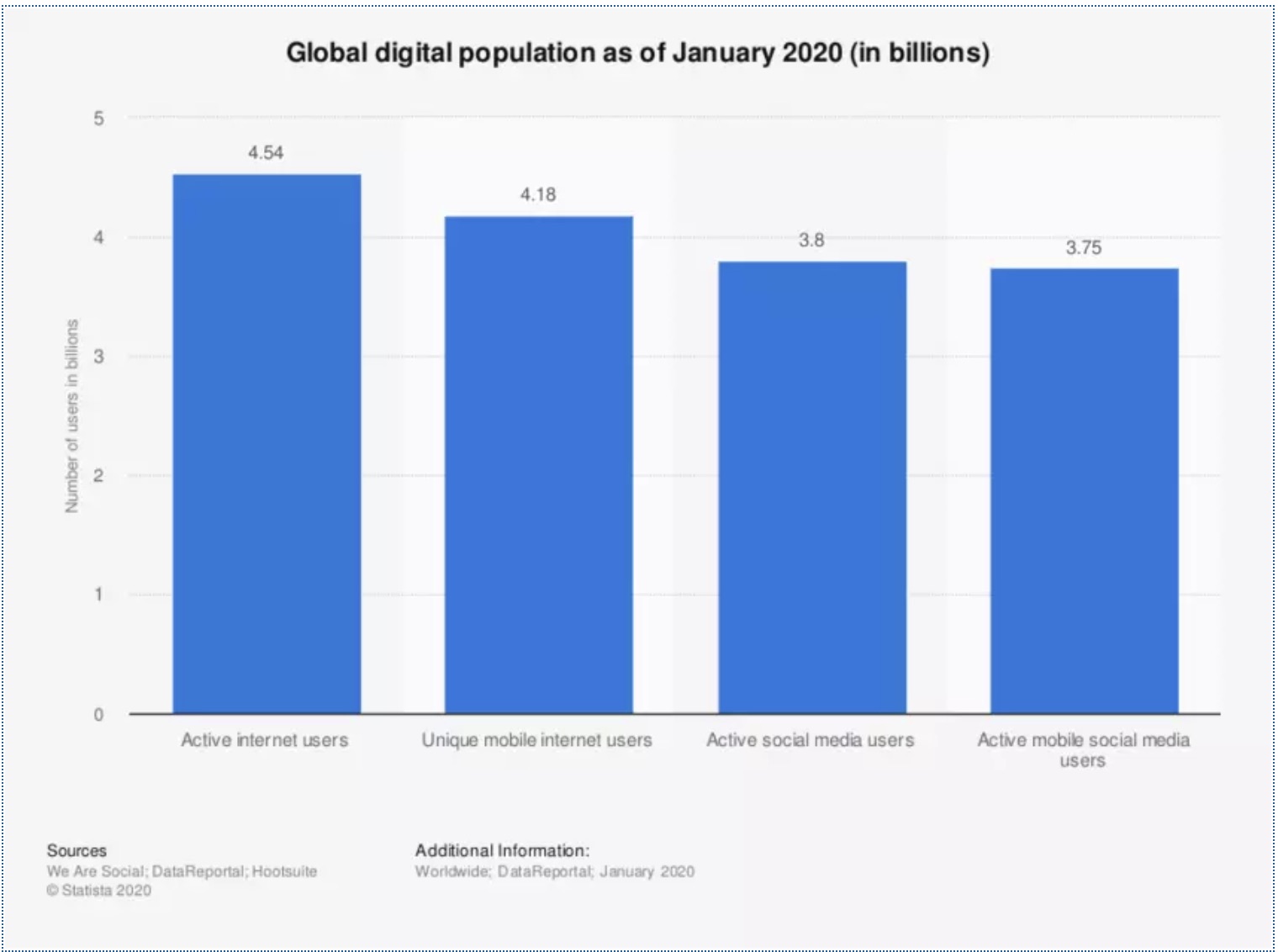
As tele-health illustrated, digital access is now like oxygen. For years, our social workers have been advising cancer patients on how to access their own health data and treatment plans online. Now all our patients who have financial difficulties are in need of that advice. Students throughout the world could not access online learning tools without broadband. The Forum’s work on emergency spectrum access has been critical. Digital access must be seen as a utility, like electricity and plumbing.
3. Medical surge capacity.

COVID-19 showed us, as did the refugee crisis, that the globe lacks the ability to assemble a powerful intensive care capacity. This is now a clear challenge for world leaders.

4. Health assurance.

COVID-19 proved that the “Internet of You” can support a new era of health assurance. I call it “healthcare with no address”, where sophisticated medicine can be delivered to people at home. People want to live happy and productive lives without healthcare getting in the way. We now know we can do that. In many countries, notably India, this is the future. As futurist Vinod Khosla observed, it would take an infinite amount of money to provide traditional hospital support to every person on the globe. Instead, it must be done with digital health.

5. Ethics and equity.

The promise of digital medicine is the promise of the Fourth Industrial Revolution, where the tools of artificial intelligence transform all professions. At the same time, healthcare is the ultimate argument for the difficult lesson: that the digital future cannot simply make the wealthy healthier. Digital medicine gives us an unparalleled opportunity to address the social determinants of health and provide access to everyone in their own neighbourhoods.

The World Economic Forum has stood for 50 years behind the idea that industry has stakeholders as well as shareholders. I am deeply encouraged that this core ideal stands firm as we develop digital medicine and create a world of health assurance for all. This pandemic will be controlled eventually by the technology of medications and vaccines, but the lessons we have learned should help us build a powerful future across industries. Never in its history has the World Economic Forum had a greater opportunity to lead a discussion on how new technologies, creative partnerships and the digital economy can, in the spirit of stakeholder capitalism, create a better world for all.


Stephen Klasko, President and Chief Executive Officer, Jefferson Health

Republished from the World Economic Forum
Total
0
Shares
Share
Tweet
Share
Share
Related Topics
  • Coronavirus
  • COVID-19
  • Digital Economy
  • Lessons
  • Pandemic
dotlah.com

Previous Article
  • Lah!

New Seamless Filing Initiative Enables SMEs To Go Digital

  • August 25, 2020
View Post
Next Article
  • Cities

Short Term And Midterm Rent In Brooklyn

  • August 26, 2020
View Post
You May Also Like
Illustration of data storage
View Post
  • Business
  • Featured
  • Features
  • World Events

The Splinternet Comes for European Supply Chains Why Fragmentation Is Now a Boardroom Problem

  • Ackley Wyndam
  • April 21, 2026
totus-technologies-cover
View Post
  • Business
  • Technology
  • World Events

The Transatlantic Tech Rift and Why Data Sovereignty Is the New Industrial Imperative

  • Ackley Wyndam
  • April 16, 2026
View Post
  • People
  • Working Life

About 23,000 community care sector employees could get at least 7% pay raise as part of new salary guidelines

  • dotlah.com
  • February 18, 2026
View Post
  • People
  • Technology

This is what the new frontier of AI-powered financial inclusion looks like

  • dotlah.com
  • January 2, 2026
View Post
  • People
  • Working Life

Skills development is critical to bridging the global digital talent gap

  • dotlah.com
  • December 22, 2025
Points, Lines and a Question
View Post
  • Engineering
  • Op-Ed
  • People

What Is The Point In Making Points?

  • Dean Marc
  • November 27, 2025
View Post
  • Cities
  • People

We must empower local leaders to meet global goals – here’s why

  • dotlah.com
  • November 4, 2025
View Post
  • People

Singapore’s national identity excludes those who don’t look like a ‘regular family’

  • dotlah.com
  • October 9, 2025


Trending
  • covid-19 antigen test 1
    • People
    • World Events
    PCR, Antigen And Antibody: Five Things To Know About Coronavirus Tests
    • January 2, 2021
  • 2
    • Cities
    • Lah!
    9.6km Of New Cycling Paths In Taman Jurong And Tampines
    • November 3, 2021
  • 3
    • Lah!
    DBS Launches World’s First Sustainable And Transition Finance Framework And Taxonomy To Help Clients Advance On Sustainability Agenda
    • July 1, 2020
  • 4
    • Economy
    • People
    Why Has Youth Unemployment Risen So Much In China?
    • May 31, 2023
  • 5
    • Lah!
    In Singapore, Playgrounds Are Capsules Of National Identity
    • July 8, 2019
  • 6
    • Society
    Sunseap Group Chairman Mr Robert Yap Min Choy Named First-ever Dean’s Fellow At SMU School Of Information Systems
    • February 7, 2020
  • 7
    • Science
    Singapore Scientists Develop Advanced Human Liver Organoids
    • July 17, 2020
  • 8
    • Lah!
    • Technology
    A Cook-Off To Promote Plant-Based Protein
    • August 27, 2021
  • 9
    • Cities
    Factsheet: Tampines Adds 4km Of Cycling Paths
    • February 1, 2022
  • dotlah-com_zedreviews-Apple-health-2-up-240909-scaled 10
    • Featured
    • Features
    • Gears
    • Technology
    Apple introduces groundbreaking health features to support conditions impacting billions of people
    • September 10, 2024
  • 11
    • Lah!
    Five International Films That Were Made-With-Singapore
    • November 14, 2021
  • goswifties_typewriter_20240510_wm 12
    • Featured
    From Keys To Progress. How The Typewriter Revolutionised Communication And Empowered Society.
    • May 14, 2024
Trending
  • Red Hat OpenShift 1
    Red Hat Further Drives Digital Sovereignty for the AI Era with Red Hat OpenShift on Google Cloud Dedicated
    • April 21, 2026
  • Illustration of data storage 2
    The Splinternet Comes for European Supply Chains Why Fragmentation Is Now a Boardroom Problem
    • April 21, 2026
  • 3
    Here’s how to get the $7 trillion AI hardware buildout right
    • April 18, 2026
  • totus-technologies-cover 4
    The Transatlantic Tech Rift and Why Data Sovereignty Is the New Industrial Imperative
    • April 16, 2026
  • 5
    What will it take to get ships going through the Strait of Hormuz again?
    • April 13, 2026
  • 6
    Hon Hai Technology Group (Foxconn) Recognized As Top 100 Global Innovators 2026
    • April 9, 2026
  • 7
    3 lessons on the energy transition in an age of crisis
    • April 7, 2026
  • 8
    Samsung Unveils Galaxy A57 5G and Galaxy A37 5G, Packing Pro-Level Features at Awesome Price
    • March 25, 2026
  • 9
    The global price tag of war in the Middle East
    • March 24, 2026
  • 10
    Kioxia Announces New SSD Model Optimized for AI GPU-Initiated Workloads
    • March 17, 2026
Social Links
dotlah! dotlah!
  • Cities
  • Technology
  • Business
  • Politics
  • Society
  • Science
  • About
Connecting Dots Across Asia's Tech and Urban Landscape

Input your search keywords and press Enter.