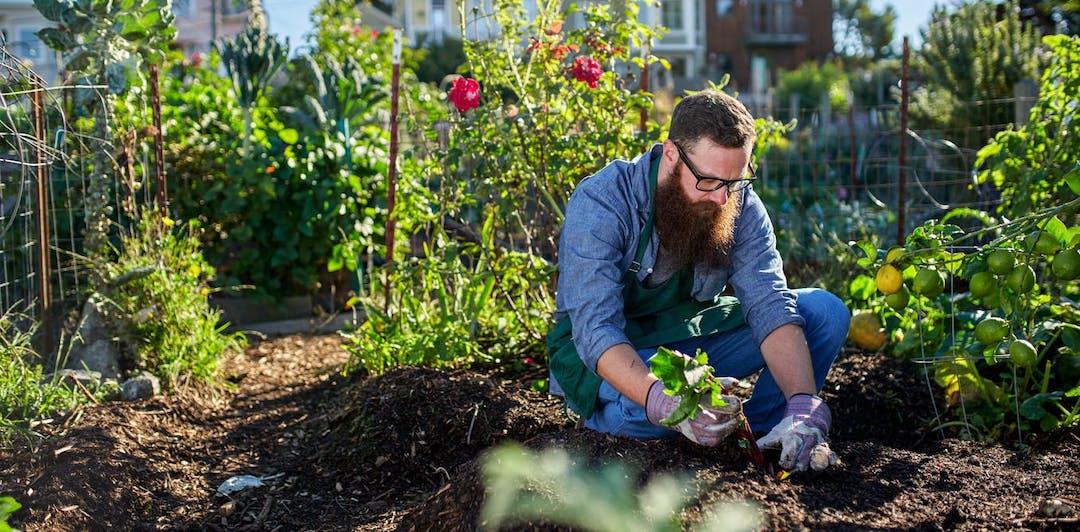
Since lockdown, public interest in growing fruit and vegetables at home has soared. Seed packets are flying off shelves and allotment waiting lists are swelling, with one council receiving a 300% increase in applications. Fear of food shortages will have motivated some, but others with more time on their hands at home will have been tempted by the chance to relieve stress doing a wholesome family activity.
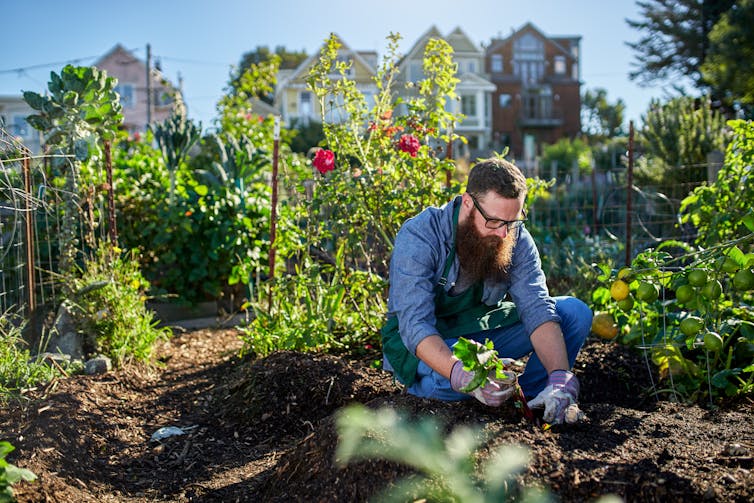
The seeds of enthusiasm for home-grown food may have been sown, but sustaining this is essential. Urban farming has much to offer in the wake of the pandemic. It could help communities boost the resilience of their fresh fruit and vegetable supplies, improve the health of residents and help them lead more sustainable lifestyles.
Here are four reasons why food growing should become a perennial feature in our gardens, towns and cities after COVID-19.
1. Growing greener towns and cities
More than half of the global population lives in urban areas, and this is expected to rise to 68% by 2050. For the UK, this is even higher – nine out of 10 people are expected to live in towns and cities by this time.
Weaving food growing into the fabric of urban life could bring greenery and wildlife closer to home. The COVID-19 lockdown helped reawaken interest in growing at home, but one in eight UK households have no access to a garden. Thankfully, the opportunities for urban farming extend beyond these: rooftops, walls – and even underground spaces, such as abandoned tunnels or air raid shelters, offer a range of options for expanding food production in cities while creatively redeveloping the urban environment.
Edible rooftops, walls and verges can also help reduce flood risk, provide natural cooling for buildings and streets, and help reduce air pollution.
2. Resilient food supplies
Diversifying where and how we grow our food helps spread the risk of disruption to food supplies.
The UK’s reliance on imports has been growing in recent decades. Currently, 84% of fruit and 46% of vegetables consumed in the UK are imported. Brexit and COVID-19 could threaten the steady supply, while the problems created by climate change, such as water scarcity, risk disrupting imports of food from abroad.
Growing fruit and vegetables in towns and cities would help resist these shocks. The harvest labour shortages seen during the pandemic might not have been felt as keenly if urban farms were growing food right where people live.
Vertical and underground crops are more resilient to extreme weather or pests, indoor growing environments are easier to control than those in the field, and temperature and humidity is more stable underground. The high start-up costs and energy bills for this type of farming has meant that indoor farms currently produce a small number of high-value crops, such as leafy greens and herbs. But as the technology matures, the diversity of produce grown indoors will expand.
3. Healthier lives
Getting out into nature and gardening can improve your mental health and physical fitness. Our research suggests that getting involved in urban food growing, or just being exposed to it in our daily lives, may also lead to healthier diets.
Urban growers may be driven to make healthier food choices for a whole range of reasons. They have greater access to fresh fruit and vegetables and getting outdoors and into nature can help reduce stress, making people less likely to make unhealthy food choices. Our study suggested that urban food growing can also help change attitudes towards food, so that people place more value in produce that’s sustainable, healthy and ethically sourced.
4. Healthier ecosystems
While urbanisation is regarded as one of the biggest threats to biodiversity, growing food in towns and cities has been shown to boost the abundance and diversity of wildlife, as well as protect their habitats.
A recent study found that community gardens and allotments act as hotspots for pollinating insects, because they tend to contain a diverse range of fruiting and native plants.
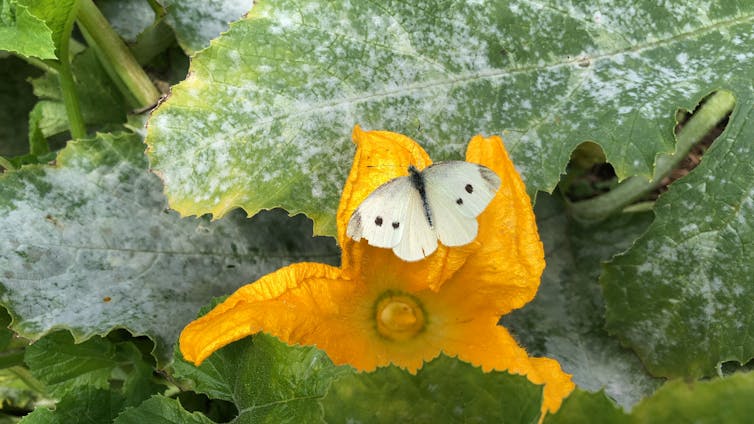
If designed and implemented properly, allotments and community gardens can really benefit biodiversity. Not only should barren spaces be converted into green and productive plots, it’s also important that there are connections between these environments to help wildlife move between them.
Canals and cycle paths can act as these wildlife corridors. As we begin to diversify the spaces used to grow food, particularly those on our rooftops and underground, an exciting challenge will be finding novel ways of connecting them for wildlife. Green bridges have been shown to help wildlife cross busy roads – perhaps similar crossings could link rooftop gardens.
All these reasons and more should compel us to scale up food production in towns in cities. COVID-19 has given us cause to reevaluate how important local urban green spaces are to us, and what we want from our high streets, parks and pavements. Judging by the garden centre sales, allotment lists and social media, many people have decided they want more fruit and veggies in those spaces. The opportunity is there for urban planners and developers to consider what bringing farming to urban landscapes could offer.

Dan Evans, Senior Research Associate in Physical Geography, Lancaster University and Jess Davies, Chair Professor in Sustainability, Lancaster University
This article is republished from The Conversation under a Creative Commons license. Read the original article.