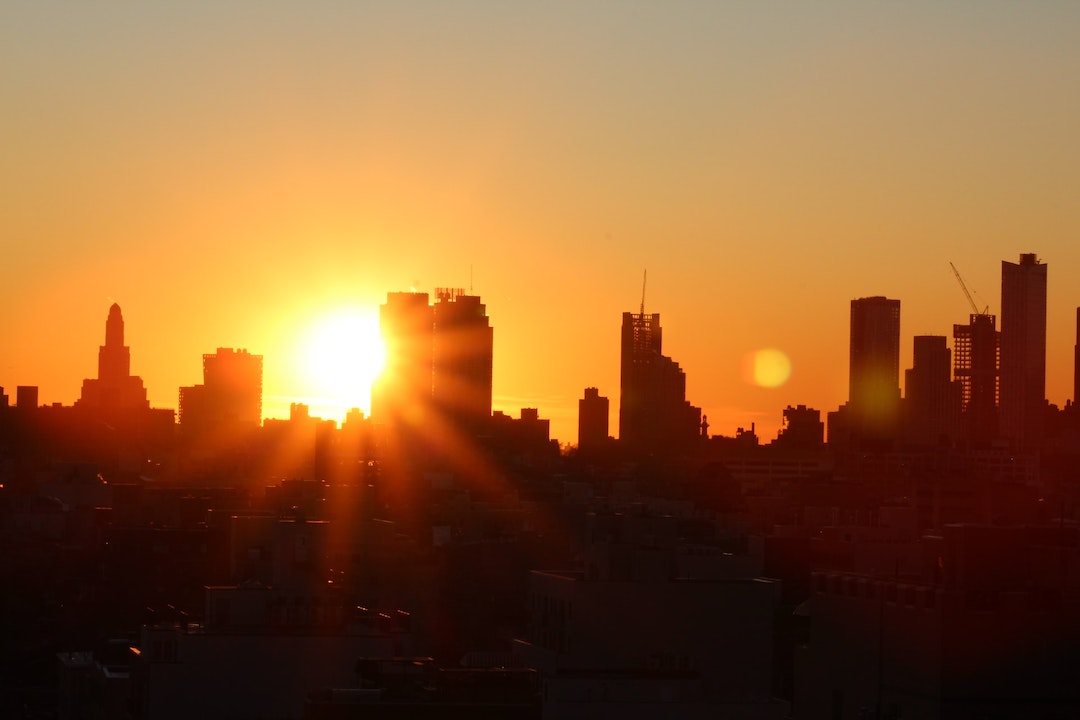
Labor Day Weekend usually signals the end of summer, but this year, it seems like the record heat isn’t ready to release its grip quite yet. Another heat wave is on its way, signaling how our climate is changing. Almost all of California, along with southern Nevada, western New Mexico, and even eastern North Carolina are under “excessive heat warnings” from the National Weather Service through the long weekend. Temperatures are expected to be as much as 22 degrees Fahrenheit above the averages for this time of year, increasing the risk for wildfires, power outages, and heat-related illness.
“Extreme heat can be deadly, especially for vulnerable populations,” says Melissa Baldwin, program manager for Florida Clinicians for Climate Action, adding that “coronavirus is shining a light on existing inequities and health outcomes.”
The compounding threats of heat and isolation have been laid bare this summer thanks to COVID-19. Many elders are stuck inside, and those experiencing homelessness are stuck outside—both facing heat exposure, many of them alone.
As the Trump administration’s actions threaten public health and safety, cities and states are finding new ways to keep their residents cool and safe this summer and beyond.
Our Warming Climate
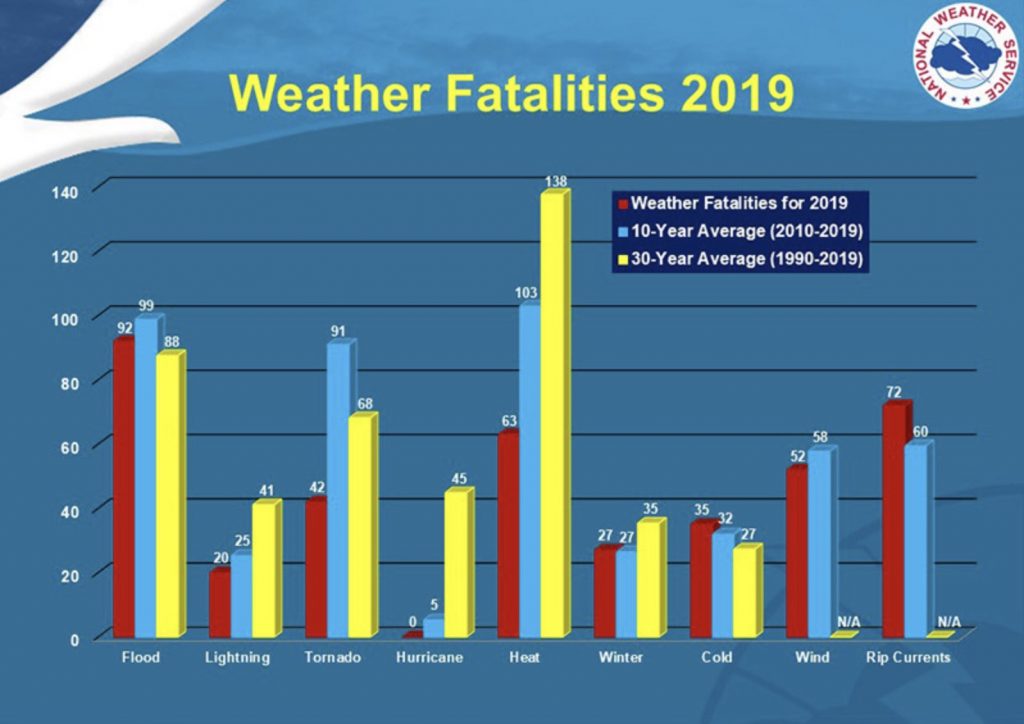
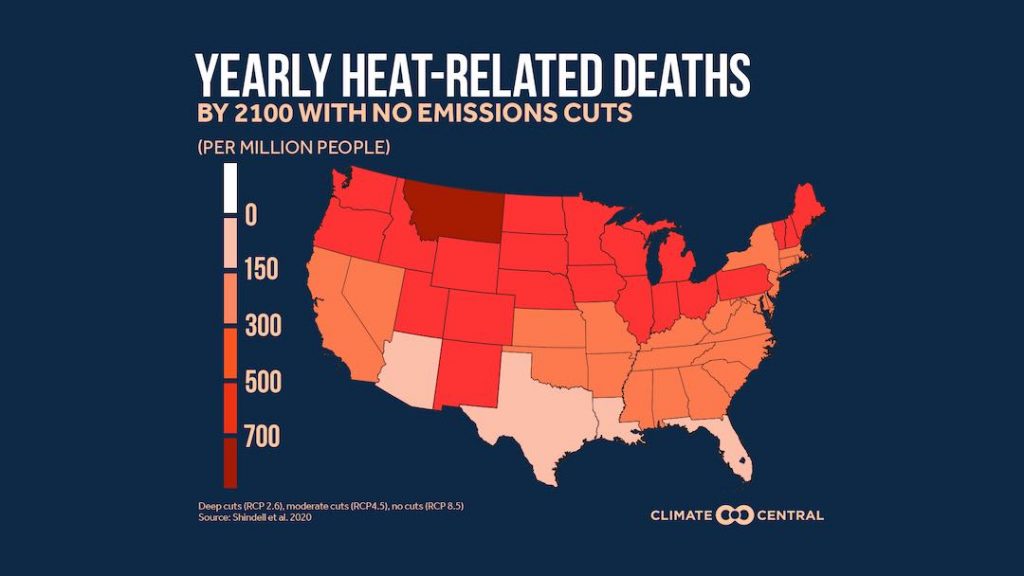
Though it gets far less attention than other disasters, heat is the greatest weather-related killer, surpassing the number of fatalities from hurricanes, tornadoes, or floods.
“Climate change—in the form of longer, more intense heat waves—is threatening our health right now, and it’s going to get a lot worse,” Baldwin says.
Exposure to heat and a lack of ventilation can cause myriad health problems, including heat exhaustion, hyperthermia, dehydration, and heatstroke. These conditions can be serious or even deadly, especially if layered on top of existing chronic health conditions. People who live in cooler climes are also less able to adjust to unseasonable heat.
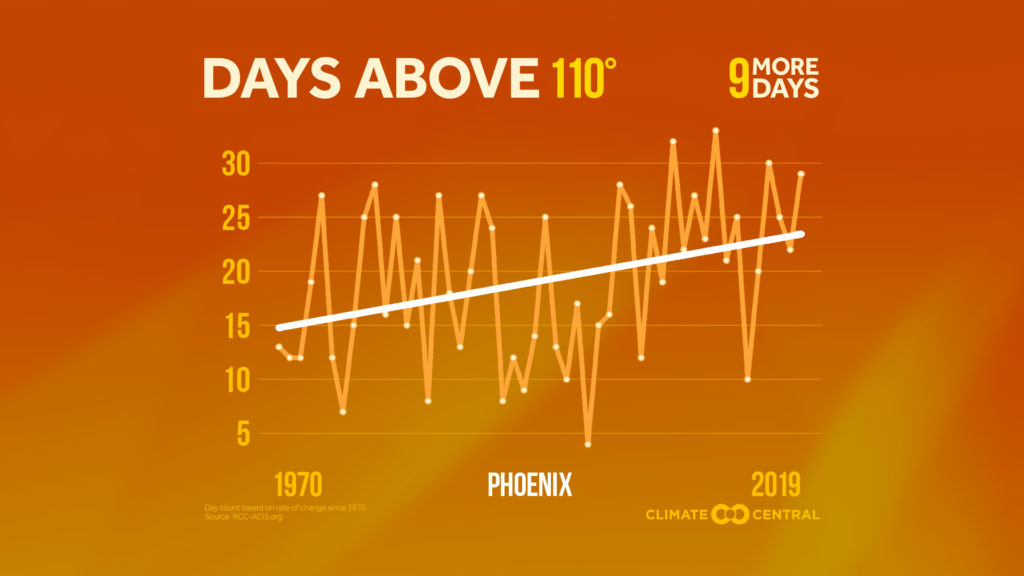
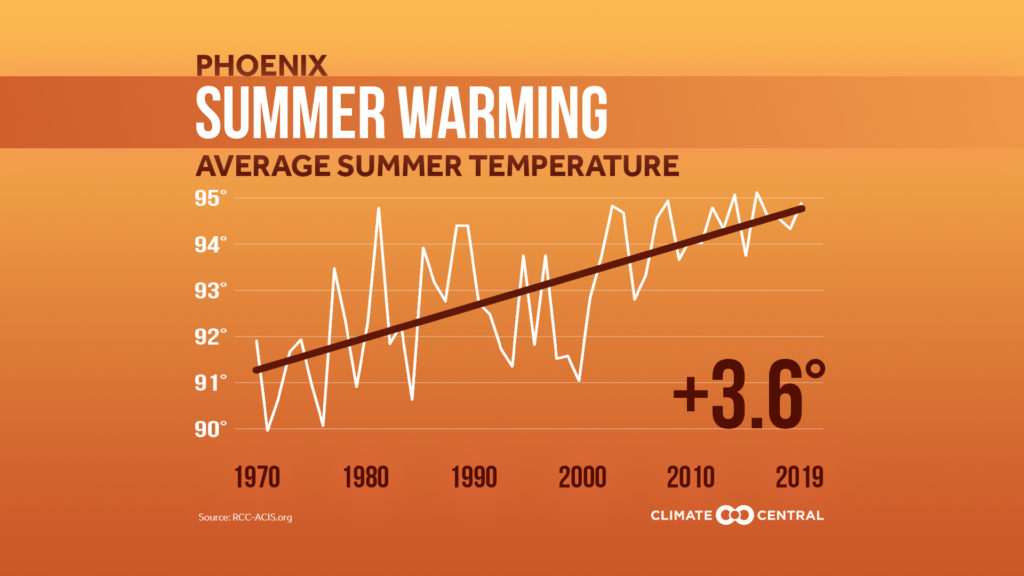
The northern hemisphere experienced the hottest July on record in 2020, according to the National Oceanic and Atmospheric Administration, with some very serious repercussions. The average high temperature in Phoenix, for example, was 110 degrees Fahrenheit, and it failed to cool down at night, often staying above 90 degrees. While daytime temperature spikes may seem the most dangerous, the effects of heat are often felt most acutely on warmer-than-usual nights. Heat is linked to many breathing problems that are exacerbated at night, like COPD and sleep apnea.
As is the case with COVID-19, elders are at a higher risk of heat death. As we age, our cardiovascular systems weaken, and our bodies regulate internal temperature less effectively. Of the 12,000 Americans who die annually from heat-related causes, 80% are 60 years or older. And that demographic is on the rise in the U.S.
Heat’s effects are exacerbated in urban areas, where hard surfaces like streets, sidewalks, and buildings store heat, only to release it later. The impact of these heat islands is felt acutely by those experiencing homelessness, and the pandemic is expected to increase homelessness by as much as 45%. That, paired with the higher rates of physical and mental health conditions, makes these populations particularly vulnerable to the effects of heat. Having a preexisting psychiatric illness, for example, tripled the risk of death from a heat wave, according to one study.
Thanks to structural racism in U.S. housing and healthcare, these disparities also break along racial lines. Black, Indigenous, and people of color in the U.S. face a greater risk of death due to COVID-19 as well as heat.
Pandemic-induced Isolation
Today, as the world is entering month seven of some version of lockdown, people who were already isolated before the pandemic now have even less interaction with the outside world. That includes the 14.3 million older Americans who live alone.
“Here in Illinois, home-health workers didn’t feel comfortable going into their clients’ homes,” says Alexa James, CEO of the Chicago-based mental health provider NAMI. The city of Chicago has a plan for when the heat index is high, requiring routine wellness checks for homeless, elderly, and disabled residents as well as the opening of six cooling centers and 50 cooling buses, among other solutions. But COVID-19 introduces new challenges. “Due to pre-existing conditions, the elderly may have access to cooling places but are afraid to leave their homes for fear of attracting the virus, or general anxiety,” James says.
Staying home comes with its own risks, especially for the more than 14% of older Americans who are below the poverty line. Being able to afford an air conditioner and the associated costs on their utility bills remains out of reach for many. Of the people who died indoors due to heat in 2019 in Maricopa County, Arizona, which includes Phoenix, 91% were found near an air conditioner that was either broken, turned off, or didn’t have electricity.
Part of the challenge of addressing the risks of heat during a pandemic is that nobody knows what cities are going to look like a week, a month, or three months from now.
That’s where public buildings and community spaces have historically stepped in. In a usual summer, cities across the U.S. open up libraries, post offices, and other public buildings as cooling centers. But now, in our socially distant realities, many of these resources are closed due to the coronavirus.
“COVID, and Amazon to some extent, [have] shuttered America’s shopping malls,” says Jonathan Parfrey, executive director of the Los Angeles-based nonprofit Climate Resolve. “In years past, malls have served as unofficial cooling centers. Today, they’re no longer an option.”
Post Offices have long been a go-to spot to cool down, but the Trump administration has blocked crucial USPS funding. Many libraries did a slow reopen after the virus first came to U.S. shores, with fewer open hours and extra cleaning. But soon after, some, like the branches in Queens, New York, were forced to re-close as Tropical Storm Isaias made landfall. In nearby New Jersey, at the Jersey City Free Public Library, after a few weeks of improvised services like curbside delivery, one of the ten branches closed again due to power outages from the storm. The other nine provided emergency response, opening their doors to patrons to charge devices and use public computers.
Moving Targets
Part of the challenge of addressing the risks of heat during a pandemic is that nobody knows what cities are going to look like a week, a month, or three months from now. In April, New York was seeing as many as 11,000 new COVID-19 cases a day, but by mid-June the number of new cases decreased to 600 a day, where it has hovered ever since. Other states, like Florida, lagged in their initial number of cases but have since skyrocketed to more than 11,000 new cases a day. Plus, rules vary significantly between states and are changing all the time. All this amid a total absence of national leadership.
That has left it up to local leaders to come up with their own fixes. On May 29, then the hottest day of the year, Phoenix opened its convention center with socially distant tables and chairs set up inside. During a city-wide public health emergency declared in Philadelphia on July 20—the first heat-related emergency in its history—the city opened cooling centers from 1 to 5 PM: two schools, three libraries, and four regional buses, parked with the A/C running.
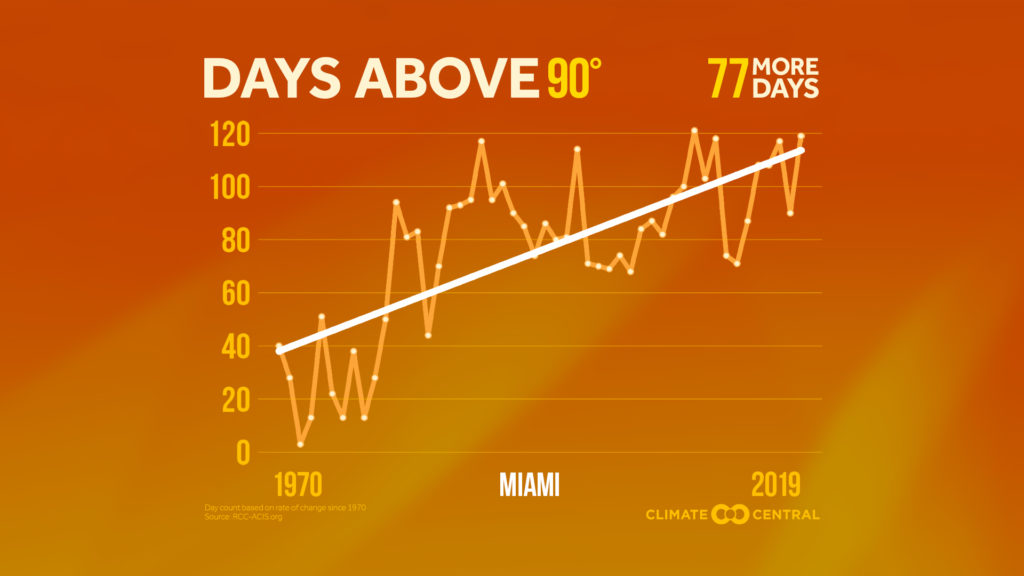
Still, these are temporary solutions, rife with bureaucratic issues that stem from poor policy, underfunding, politicization of disenfranchised communities and climate change, and simple political leadership. “In Florida, we have a lot of people who don’t have adequate housing, and they can’t afford a new air conditioner or [to] replace their windows,” says Baldwin, of Florida Clinicians for Climate Action. Nearly 60% of Miami residents live paycheck-to-paycheck, which puts them in particular danger, as reported by NPR. And that’s only getting worse with unemployment benefits in limbo.
Retrofitting homes with better insulation and energy-efficient cooling systems could be a win-win, according to Baldwin. In Massachusetts, Sen. Ed Markey (who just won a Democratic Senate primary race against Joe Kennedy III) introduced legislation on July 22 to offer $100 million in heat-fighting grants. New York City is already on its way to addressing these challenges, providing free air conditioners to low-income seniors who pre-qualify based on their enrollment in benefits programs.
Increased access to air conditioning promises more positive health outcomes, but also contributes to a warming climate. Operating air-conditioners releases about 100 million tons of carbon dioxide each year as well as HFCs, or hydrofluorocarbons, which erode the ozone layer. By expanding a program like New York’s to include energy efficiency upgrades, Baldwin says it could help people recover from the pandemic, improve the quality of homes, create jobs for communities of color, and preserve a livable climate.
Beyond policies, social connections, too, can save lives. Check in on neighbors, relatives, and friends. Many heat deaths can be prevented with actions as simple as a glass of cool water or a few clicks on the thermostat. “This isn’t a totally hopeless story,” says James of NAMI, who also serves on the Chicago mayor’s COVID-19 task force. “We all could be healers. A lot of people want to do good right now. If we could connect with one person every day, it would be meaningful.”
Additional reporting by Breanna Draxler.