Global food systems are not meeting all the needs of people and planet. Currently, more than two billion people globally are overweight or obese, more than 600 million people fall ill due to unsafe food each year and one in nine people in the world are undernourished. In parallel to issues around malnutrition and safety, one third of the food produced in the world for human consumption every year — approximately 1.3 billion tonnes — gets lost or wasted. The food system is linked to other negative effects such as high energy and water consumption, deforestation rates, societal conflicts, migration, and climate change.
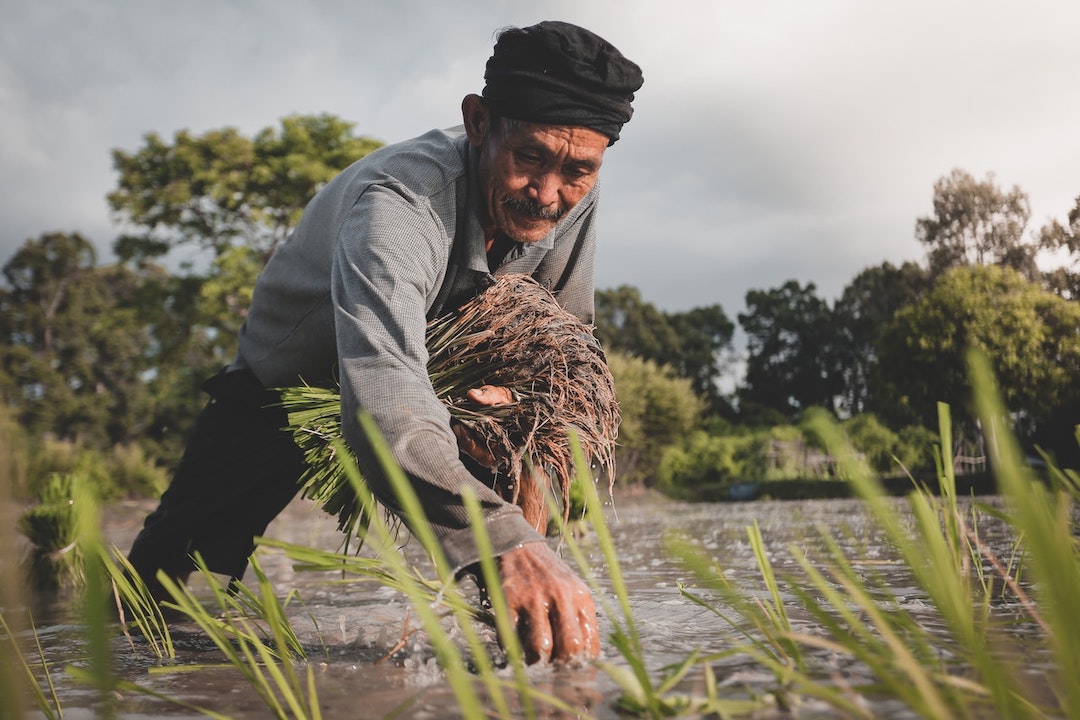
What if we rethink food systems from the perspective of consumer and farmers to sharpen our focus on people and planet? About 500 million family farmers produce the majority of the world’s food, yet they’re the most affected by poverty and the ones most marginalised from decision making. At the same time we could make it easier for the world’s 7.7 billion consumers to shape a fairer, more resilient system, shifting 100-year-old consumption patterns to leave fewer people hungry.
Harnessing consumer power
Consumers play an essential and complicated role in food systems. Every human is a consumer of food with rights in the marketplace; and consumers are also citizens, taxpayers, workers, parents.
Additionally, consumers are also not just passive receivers; they can enable and drive change with their collective economic power and are increasingly demanding more transparency and higher ethical standards from food producers. Consumer protection and empowerment is a key component to solving these challenges, rethinking food systems to leverage consumers in new ways, and to better serving people and the planet.
For low-income households, availability and price are the most important influencers, whilst in middle-income households, nutrition and health become more important. In more affluent parts of the world, consumers are asking questions on where, how and who produced the food. Farmer leaders have emphasized the dramatic variance and fast-paced shifts in demand that can sometimes feel hard to keep up with.
For many, the COVID-19 pandemic brought a stark new awareness of the link between nutrition and health and the realities of how our food is grown and supplied around the world. It also showed the ugliest face of hunger in vulnerable communities.

Image: Statista
Setting new joint priorities
Farmers and consumers came together during a recent Food Systems Dialogue, to discuss and explore options for transforming food systems The dialogue held at the Sustainable Development Impact Summit, co-hosted by Consumer International and the World Economic Forum, outlined shared priorities and a shared sense of responsibility from both communities. These priorities help shape a roadmap for the moves that could drive real change. Those changes include:
- Rethink trade policies that influence what we produce and eat to be more integrated and holistic.
- Realign consumer and farmer incentives to shift demand to nutritious and environmentally-responsible products. Such a move could set off a chain reaction on policy and markets, which can empower farmers and agribusinesses to adopt different practices to meet health and environmental needs.
- Realize a more coherent approach on retail and consumption – where manufacturers, processing, retail and catering sectors see themselves as an integral part of offering information to inform consumer choice.
- Redesign more inclusive approaches from the perspectives of farmers and consumers, including shorter value chains and direct selling, and resetting the balance of power to enable the changes ahead.
Farmers and consumers also expressed shared concerns for issues such as food safety and traceability, lack of transparency in supply-chains, and equitable distribution of value especially to farmer communities.
Of course, change won’t come easily, as the group pointed out. Leaders surfaced real-life tensions in the system which can no longer be ignored. We will face trade-offs and coordination at every step from what, how and where we grow and consume food, to the power, influence, health and livelihoods of how farmer and consumer communities interact in the system with other actors. We also need to think about how we build trust and better information flow and respect for these trade-offs, all of which will vary from place to place.
Real-life tensions in food systems can no longer be ignored.
While change will be tough, many are optimistic. At the September event, farmer and consumer advocates made a call to break down silos. They invited more direct cooperation between farmers and consumer communities, citing the profound role of innovative thinking, business models, tools and technologies to unlock new opportunities to address key trade-offs.
The Food Systems Dialogues (FSDs) were launched in 2018 and have engaged thousands of leaders across 30 countries to allow diverse actors from a range of food production and consumption sectors to meet, discuss and explore options for transforming food systems. With the aim to identify a consensus on food systems for the future, how to get there and how to draw out tensions and trade-offs, the FSDs will now contribute significantly to the UN-Secretary General’s Food Systems Summit next year to galvanize a global community on the way we produce and consume food.
The recent pandemic has raised awareness of global problems such as hunger and food system gaps and provides a golden opportunity to make change happen. In this critical moment, we can support leaders who produce and consume food and ensure they remain at the forefront of finding solutions going forward.
Helena Leurent, Director-General, Consumers International
Theo de Jager, President, World Farmer Organization
Republished from the World Economic Forum