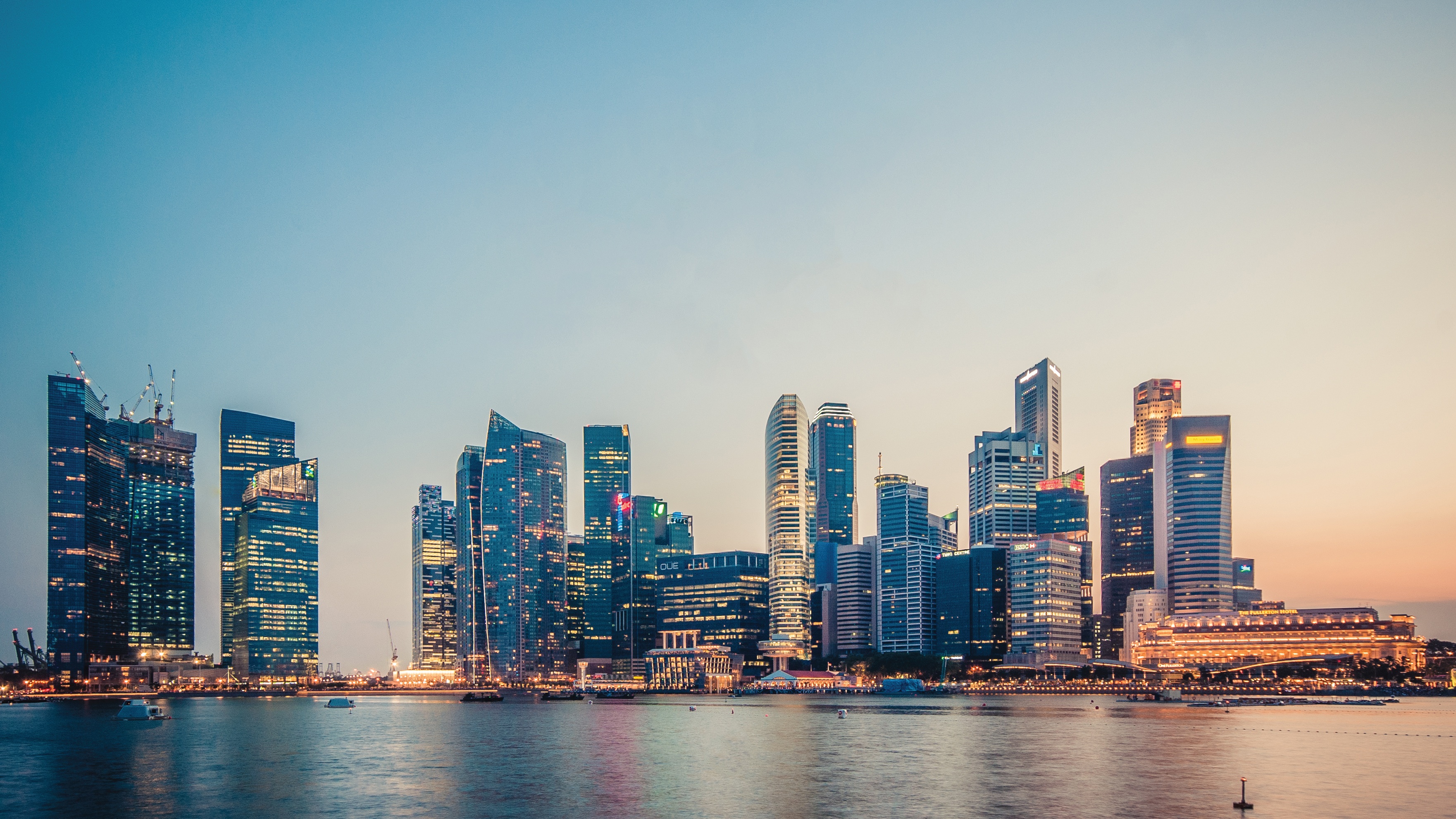
Singapore has gone through a remarkable transformation from British colonial trading port 200 years ago, to first-world economy in little over 50 years. Now, with government setting its sights on the next frontier, award-winning architect, academic, author and TV presenter Jason Pomeroy explains what challenges Singapore may face as it plans to become the world’s first “smart nation”.
Home to over 5.5 million people and the third densest city in the world, Singapore has achieved impressive growth in just over 50 years. Having navigated its way from colonial trading outpost to a leading city-state, the young nation is now building its digital infrastructure.
As smart-city status becomes increasingly ubiquitous, the question city planners and leaders must now answer is how they can ensure the advantages of smart technology and planning benefit every stratum of society.
Smart cities 1.0, 2.0 and 3.0
Smart cities are driven by a series of parameters that help define, shape and hone them. These often include its people and culture, its economy, the latest technologies, innovative approaches to dealing with the design and management of space, or perhaps some cataclysmic effect or the climate. No two cities are alike, they’re all different, but they can be broadly put into three different generations:
- Generation 1.0: Governments aspire to improve cities and their impact on the local and national economy through technology, as well as through legislation and the power of multi-national corporation investments. They can often be perceived as having a rather “top-down” approach to smart planning.
- Generation 2.0: These are often a reaction against the first wave of technology-centric smart cities. Occupants understand the importance of technology, but also want to know where people factor in — what’s in it for them? They can often be perceived as having a “bottom up” approach to smart planning.
- Generation 3.0: These acknowledge the preceding two generations and are also conscious of spatial and environmental issues. What about open space? Greenery? Nature? The environment? It’s a reaction to global events like the United Nations Climate Change Conference (COP) and environmental legalisation. They can often be perceived as having both a “top-down” and “bottom-up” approach to smart planning.
What is fascinating about Singapore is that it appears to have leapfrogged from a 1.0 to a 3.0. The young nation had the money and government-power to push for a 1.0, and acknowledged its place as a garden city in Asia, which is why it became a 3.0. But now Singapore is trying to focus on its people, the arts, culture and fostering a creative industry, and this is where it can learn a lot from its neighbours.
Peering over the garden fence
As a small city-state, Singapore has always needed to fight for its own survival. I think that an environment under a certain amount of pressure will always try and be as self-sustaining as possible. This breeds a certain amount of protectionism and an urge to get things right first before looking outside.
This “peering over the garden fence” is starting to happen more now that Singapore has developed first-world-nation status and can compete at a global level. But there’s no room for complacency; lessons must be learnt from others if Singapore wants to stay at the forefront of Southeast Asia.
Accessible technology — Bandung, Indonesia
Bandung is a fantastic example of a 2.0 smart city that has seized the notion of people generating smart apps and start-ups — technology that will keep the people engaged and hopefully enhance their everyday lives.
It has a charismatic mayor, Ridwan Kamil, who has over three million people following him on social media and regularly asks what his people want from their city, and then rolls out real-time solutions. This societal integration is very encouraging for the growth and development of a 2.0.
“I like how Bandung collects data. It isn’t intrusive. The government isn’t taking the data, it’s population is happy to submit it themselves.”
For the country’s youthful population, smart technology is native — they are practically born with a mobile phone in their hand. But what about Singapore and its aging population? Can an elderly population engage in the same way with smart technologies as their grandchildren?
I would argue no. Smart cities and the technology within them must be relevant to all. It can only be smart if it mobilises the intelligence of absolutely everyone, from children through to grandparents. Implemented and embedded technology must be on simple and accessible platforms that enhance people’s lives.
Smart heritage — Barcelona & Amsterdam, Europe
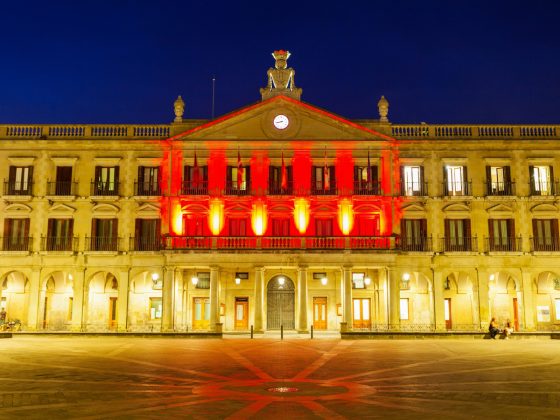
These are prime examples of 3.0 smart cities that have balanced economy and technology with the needs of its people. They also prioritise the importance of open spaces, a beautiful public realm, the environment, and a respect for heritage and conservation. Cities as old as these express their heritage and culture through iconic architecture, landmarks and attractions.
Singapore and its citizens are waking up to the importance of this. You cannot just demolish and rebuild to create a contemporary environment with impress-all, air-conditioned skyscrapers. It’s waking up to its cultural heritage and telling the story of who they are, where they are now and where they want to be in the future.
This is equally as important to occupants as it is to those coming to Singapore for the first time. Cultural heritage is one of the biggest magnets for cities to attract visitors from all over the world.
I’m particularly impressed by Amsterdam; their canals, an important and iconic aspect of the city’s heritage, have received the “smart” treatment. Electric, autonomous boats were tested in 2017 that can be programmed to transport goods and people, and act as dynamic and temporary floating infrastructure.
“I’m impressed by Amsterdam, who have given their canals the ‘smart’ treatment. On-demand bridges and stages, can be assembled or disassembled in a matter of hours.”
Realising a smart nation
Singapore is responding to its own issues and parameters that help define, shape and hone its evolution. No two cities are alike, they’re all different; there isn’t a leader in this field.
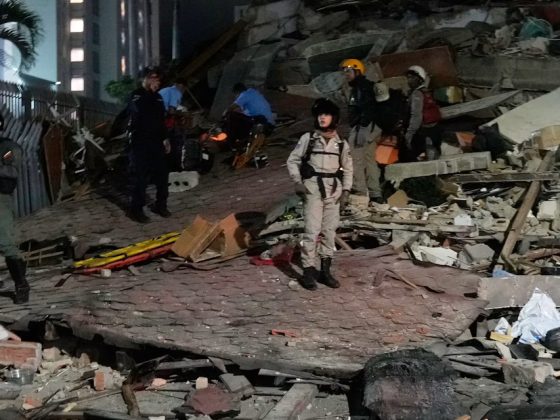
Many cities are doing admirable things that offer unique learnings, whether it be the people-centric focus of Indonesia, the smart heritage of Europe, or even further afield like the cataclysm-conscious Higashimatsushima in Japan, which plans to rebuild its electric power system toward self-reliant generation and transmission after the 2011 earthquake and tsunami.
What we see in Singapore is the notion of the smart city on a mass scale. As a small island-state, Singapore can apply smart technology across its whole area and, by inference and through paying attention to the what others are doing, I’ve no doubt it will realise itself as the smart nation it wants to become in the coming years.
This article originally appeared in RICS.