dotlah! dotlah!
  • Cities
  • Technology
  • Business
  • Politics
  • Society
  • Science
  • About
Social Links
  • zedreviews.com
  • citi.io
  • aster.cloud
  • liwaiwai.com
  • guzz.co.uk
  • atinatin.com
0 Likes
0 Followers
0 Subscribers
dotlah!
  • Cities
  • Technology
  • Business
  • Politics
  • Society
  • Science
  • About
  • Cities

Connected City Streets Mean Healthier Residents And Communities

  • September 7, 2020
Total
0
Shares
0
0
0

In the midst of the COVID-19 pandemic, cities around the world are rediscovering the value of walkable and bikeable streets. From Oakland, Calif., to Amman, Jordan, cities have restricted driving on certain streets in order to create space for socially distanced physical activity. Other cities, like Bogotá and Berlin, have scrambled to convert car and parking lanes into bike lanes in response to the precipitous drop in public transit ridership.
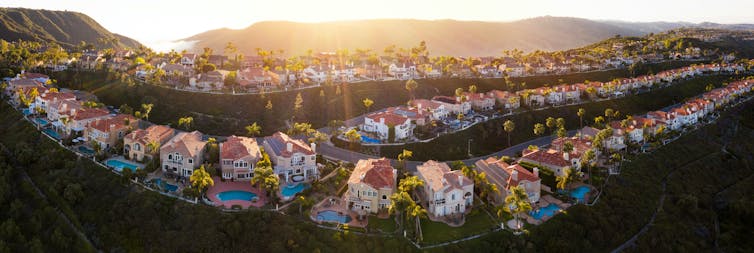
The streets of Laguna Niguel, Calif. are disconnected and sprawling, privileging driving over walking. (Shutterstock)

Street networks are about resilience, whether to the COVID-19 pandemic, climate change or even a future with autonomous vehicles. Neighbourhoods with well-connected streets can evolve into more walkable, complete neighbourhoods or denser settlements as needed.

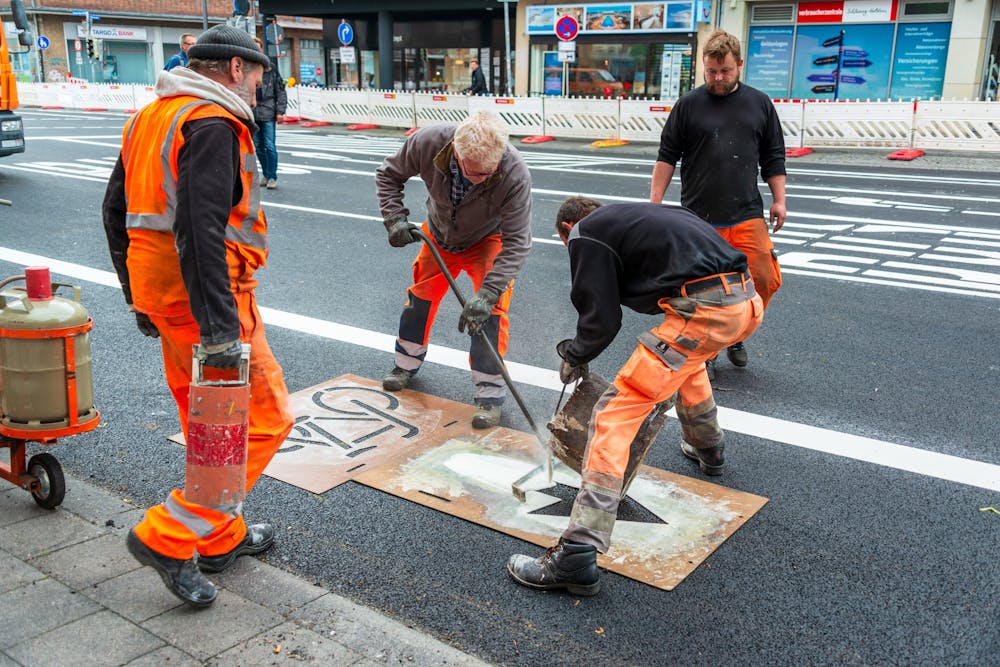
The COVID-19 response shows how quickly a city can move to repurpose street space in the short term. Traffic cones, planters, paint and signs are all that is required. The market for bicycles has ballooned just as fast.
Road workers apply a bicycle symbol on the road
Cities in Germany — like Kiel — converted car lanes to bike lanes after a significant drop in public transit ridership as a result of the coronavirus pandemic. (Shutterstock)

In the long term, however, the skeleton of a city — the connectivity of its street network — is a permanent constraint to walkability and bikeability. New bike lanes and pedestrian space will have little impact where a city’s skeleton is not up to the task.

Connected streets

Street-network connectivity matters because it puts destinations within easy reach. In a disconnected, sprawling network typified by dendritic branches, cul-de-sacs and gated communities, a grocery store that lies a hundred metres away can be more than a kilometre on foot.

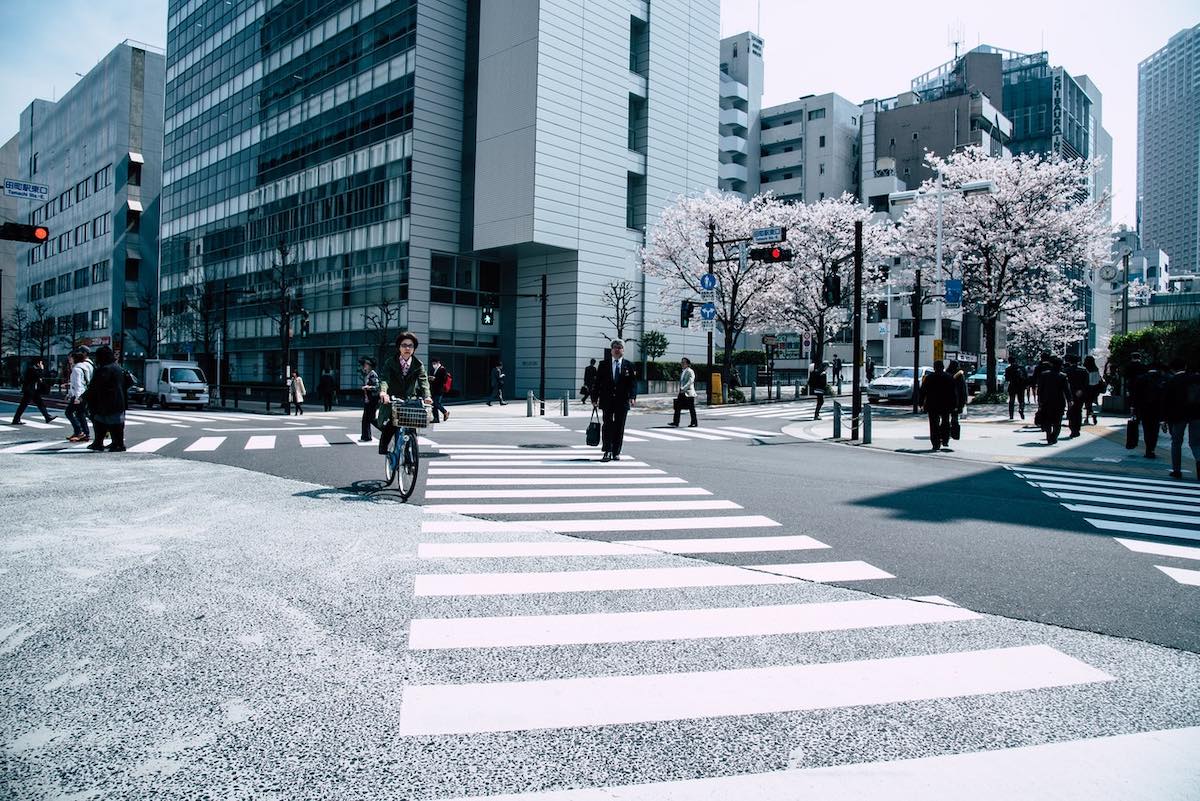
In contrast, the street grids common in Latin America provide direct routes for pedestrians and cyclists, as do the irregular but connected networks of pre-industrial European (e.g. Vienna) and Asian (e.g. Nagoya) urban cores.

Street-network sprawl matters little to car drivers, but is an indignity to those on foot. Not surprisingly, people with a choice of travel options respond accordingly. Building more connected streets (that is, less street-network sprawl) has reduced car ownership and increased walking in diverse geographic and cultural contexts, including Japan, France and the United States.

The rise of disconnected streets

Street-network sprawl, however, is on the rise almost everywhere in the world, according to a new index of street-network sprawl that we developed. We used data from OpenStreetMap, and our index covers every city and country on the planet since 1975. It presents a disturbing picture for future walkability in places where residential development could be set on a better course now.

The rise of cul-de-sacs in post-war suburban development in the United States is well known, but street-network sprawl has already peaked in the U.S. While new U.S. streets are still some of the most sprawling in the world, a modest decline since the 1990s reflects the efforts of cities and states, from Charlotte, N.C., to Seattle, to promote more connected patterns.

In the majority of the world, however, disconnected streets are becoming the norm, whether through tree-like branching networks in Tucson, Ariz., cul-de-sacs in Dublin or gated communities near Jakarta.

Maintaining connections

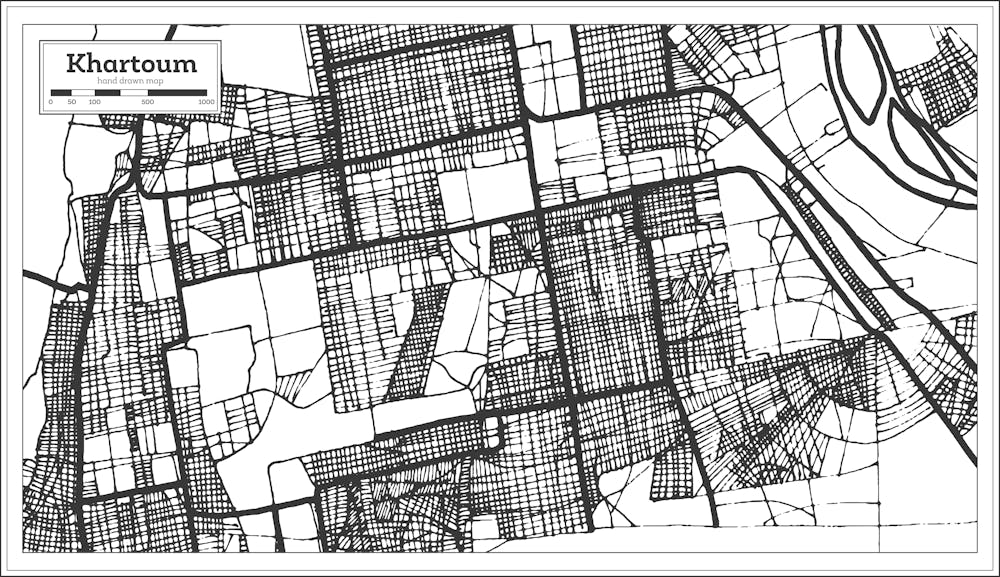
Where can cities that wish to turn around these trends look for inspiration? While in the minority, a range of places — Buenos Aires, Khartoum, Amsterdam and Tokyo, to name a few — have maintained a tradition of building connected streets.
a hand drawn black and white map of the streets of Khartoum
Cities like Khartoum, Sudan maintain networks of connected streets, which facilitate walking and connected communities. (Shutterstock)

Most importantly, these cities show that there are many paths to connectivity based on local traditions in architecture and urban planning, from a grid to an irregular pattern of three-way intersections. Dutch and Danish cities, meanwhile, show how to build cul-de-sacs for cars, while maintaining high connectivity for pedestrians and cyclists through cut-through paths at the end of each block. At the national level, China and Britain show how urban planning regulations can promote a fine-grained street network that is permeable to those on foot.

Street networks are a one-shot deal. After a new development is built, its streets are cemented in place for decades or centuries by the strictures of property ownership. Thus, forward-thinking regulations are vital to control long-run outcomes such as car dependence, energy use and greenhouse gas emissions. A coal power station locks in carbon emissions for 40 years, but the street network does so for centuries.

Urban resilience

Connected streets facilitate integrated communities, mixed housing types and easier access to services for those without cars, including our essential workers in times of unforeseen contingencies. Cities characterized by street-network sprawl, in contrast, are stuck forever in a suburban, low-density way of life.

The coronavirus pandemic has thrust on many of us an unsolicited but pleasant glimpse of life with quieter streets, cleaner air, pedestrian boulevards and an absence of long commutes. To realize long-term transformative change, cities must move beyond the surface and tackle their skeleton of new development.

With new standards and proactive regulations on the connectivity of new street development, they can put an end to street-network sprawl of cul-de-sacs, suburban mazes and gated communities, forging a path to resilient, equitable, healthy and clean urban existence.The Conversation


Chris Barrington-Leigh, Associate professor, Health and Social Policy and the School of Environment, McGill University and Adam Millard-Ball, Associate professor, Environmental Studies, University of California, Santa Cruz

This article is republished from The Conversation under a Creative Commons license. Read the original article.


Total
0
Shares
Share
Tweet
Share
Share
Related Topics
  • Coronavirus
  • Sprawl
  • Streets
  • Urban Design
  • Urban Planning
dotlah.com

Previous Article
  • Lah!
  • Society

JG Farrell’s The Singapore Grip: New TV Adaptation Brings To Life The Final Book By One Of The UK’s Finest Novelists

  • September 7, 2020
View Post
Next Article
  • Lah!

Building Resilience In A Post-COVID World

  • September 8, 2020
View Post
You May Also Like
View Post
  • Cities
  • Environment
  • People

Was Venezuela struck by an earthquake ‘doublet’? Here’s what we know so far

  • dotlah.com
  • June 27, 2026
View Post
  • Cities
  • Economy
  • Politics

The global price tag of war in the Middle East

  • dotlah.com
  • March 24, 2026
View Post
  • Cities
  • Food

How the Iran war could create a ‘fertiliser shock’ – an often ignored global risk to food prices and farming

  • dotlah.com
  • March 6, 2026
View Post
  • Cities
  • Climate Change
  • Science

New research may help scientists predict when a humid heat wave will break

  • dotlah.com
  • January 6, 2026
View Post
  • Cities

How bus stops and bike lanes can make or break your festive city trip

  • dotlah.com
  • December 29, 2025
View Post
  • Cities
  • People

We must empower local leaders to meet global goals – here’s why

  • dotlah.com
  • November 4, 2025
View Post
  • Cities

Politicians love comparing NZ’s economy to Singapore or Ireland – but it’s simplistic and misleading

  • dotlah.com
  • September 21, 2025
View Post
  • Cities
  • Technology

Meralco PowerGen’s PacificLight starts up 100 MW fast-response plant in Singapore

  • dotlah.com
  • June 20, 2025


Trending
  • 1
    • Technology
    Go Ignite Partners Seek 5G Use Cases In Global Call For Startups
    • July 24, 2020
  • 2
    • Technology
    ABB To Deliver Artificial Intelligence Modelling For Data Center Energy Optimization In Singapore
    • July 17, 2021
  • 3
    • Lah!
    DBS Sets The Pace For Singapore’s Corporate Sustainability Efforts With Plans For Nation’s First Net Zero Building By A Bank
    • July 11, 2021
  • 4
    • Lah!
    Singapore Tops World Competitiveness Ranking For 2020
    • June 25, 2020
  • cambridge-student-victoria-heath-b7CRDcwfNFU-unsplash 5
    • Cities
    Things to Consider Before Moving to a College Town
    • August 14, 2021
  • 6
    • Society
    What The Latest Coronavirus Tells Us About Emerging New Infections
    • January 27, 2020
  • 7
    • Society
    Coronavirus: The Latest Disease To Fuel Mistrust, Fear And Racism
    • February 13, 2020
  • goswifties_number-crunching_202405_wm 8
    • Data
    • Featured
    Of Nuggets And Tenders. To Know Or Not To Know, Is Not The Question. How To Become, Is.
    • May 25, 2024
  • 9
    • Lah!
    MPA Receives Accolade At World Ports Sustainability Awards For Singapore’s Next-Generation Tuas Port
    • June 29, 2020
  • Building, Institution and People 10
    • Features
    • People
    Hierarchy and Beyond – Organisational Structures for Any Institution
    • June 28, 2023
  • 11
    • People
    • World Events
    Coronavirus: Could The World Have Prepared Better For A Pandemic?
    • May 11, 2020
  • 12
    • Lah!
    DBS Further Boosts Its Cash Flow Support For SMEs, Upsizes Collateral-free Digital Business Loan To SGD 200,000
    • April 9, 2020
Trending
  • 1
    Chinese tech giant Huawei unveils Mate 90 series smartphones with flagship Tau chips adopting logic folding technology
    • October 3, 2026
  • 2
    Google Opens Singapore Engineering Center to Build and Export Enterprise Cloud and AI to the World
    • September 15, 2026
  • 3
    Apple Flagship Hardware Launch for September 2026
    • September 10, 2026
  • 4
    MIT researchers tackle the economic realities of fusion power
    • August 10, 2026
  • 5
    ASEAN, treaty parties push stronger cooperation as Treaty of Amity and Cooperation in Southeast Asia marks 50 years
    • July 26, 2026
  • 6
    The Fastest AI Fried Chicken In The World
    • June 29, 2026
  • 7
    Zed Approves | How to Stay Cool in Extreme Heat
    • June 29, 2026
  • 8
    Was Venezuela struck by an earthquake ‘doublet’? Here’s what we know so far
    • June 27, 2026
  • 9
    Zed Approves | It’s Prime Day 2026! Time to Upgrade Your World Cup Viewing Setup and Beat the Heat
    • June 25, 2026
  • 10
    Zed Approves | The Best Prime Day PC Deals: Top Gaming Rigs, Workstations, and Everyday Laptops
    • June 25, 2026
Social Links
dotlah! dotlah!
  • Cities
  • Technology
  • Business
  • Politics
  • Society
  • Science
  • About
Connecting Dots Across Asia's Tech and Urban Landscape

Input your search keywords and press Enter.