- A zero emissions area is a unique example of a climate solution that addresses urban congestion and pollution problems while expanding mobility.
- ZEAs are a forcing mechanism for commercial electrification: an urban area restricted to gasoline vehicles puts pressure on commercial and delivery vehicles to electrify.
- ZEAs are politically challenging for several reasons, including opposition from proponents of free parking and a lack of awareness about the potential benefits for clean air.
Cars, buses, motorcycles, and delivery trucks – 99% of all tailpipes currently contribute to worsening air quality, emitting carbon into our atmosphere and particulate matter into the air we breathe. In many regions, the city centre is where overlapping transportation modes create the densest pollution. Over the past 18 months, the pandemic has highlighted the critical human right to healthy air, and the latest International Day of Clean Air for blue skies draws attention to this global issue.
On a local level, the COVID-19 pandemic has led to many experiments in urban redesign, from turning parking spaces into parklets to pedestrian-only street closures, and greater uptake in individualised transportation like bicycles, scooters, even skateboards. It’s easier now to imagine a cleaner future, but the data shows that global congestion has been climbing 20-35% every year since 2010. Global transportation emissions are rising alongside, and cities are grappling with a tall mandate to increase safe, efficient and affordable mobility while lowering emissions.
A zero emissions area (ZEA) is a unique example of a climate solution that addresses urban congestion and pollution problems while expanding mobility.
A smart policy to drive electrification
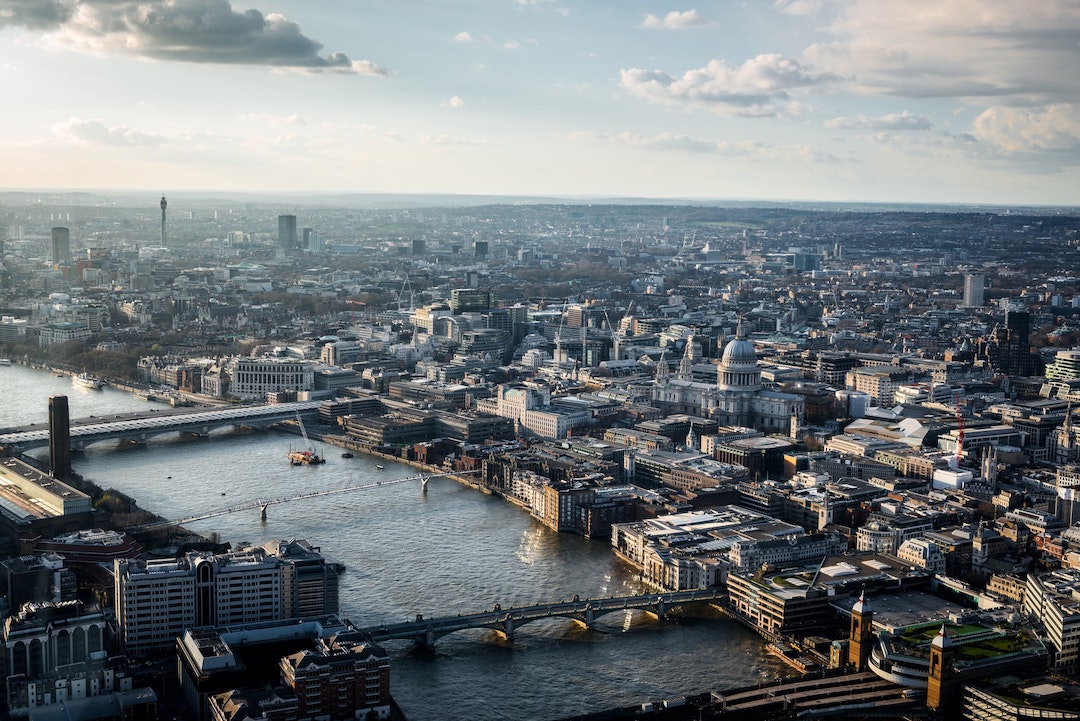
While the term “zero emissions area” might be novel, many will have experienced components of this idea. Cities and mobility innovators around the world have long taken measures that align with zero-emission ambitions. History-rich European cities, such as Rome, have been regulating entry to their historic centres for preservation purposes for decades. To mitigate traffic in crowded business districts, cities such as Singapore, have long experimented with congestion pricing. Following those footsteps, London implemented an Ultra-Low Emission Zone in its city core and is already witnessing early air quality benefits.
London’s case has shown how smart policy can drive electrification of road transportation across industries, with companies like Uber becoming a proponent of such policy mechanisms. ZEAs create an ideal forcing mechanism for commercial electrification: an urban area that is restricted to gasoline vehicles exerts pressure on commercial and delivery vehicles to electrify. Not only does this clean up tailpipe pollution, but it addresses one of the largest sources of urban transportation carbon emissions. Similarly, ride-hailing companies will need to provide electrification incentive programmes to their drivers in order to continue operating in a zero emission area. Sure enough, industry leaders like Lyft, Ola and Bolt are lining up to transition to electric vehicles.
“Imagine hopping off the electric bus and picking up an e-scooter for the final leg of your journey.”—Lina Fedirko Senior Associate, ClimateWorks Foundation
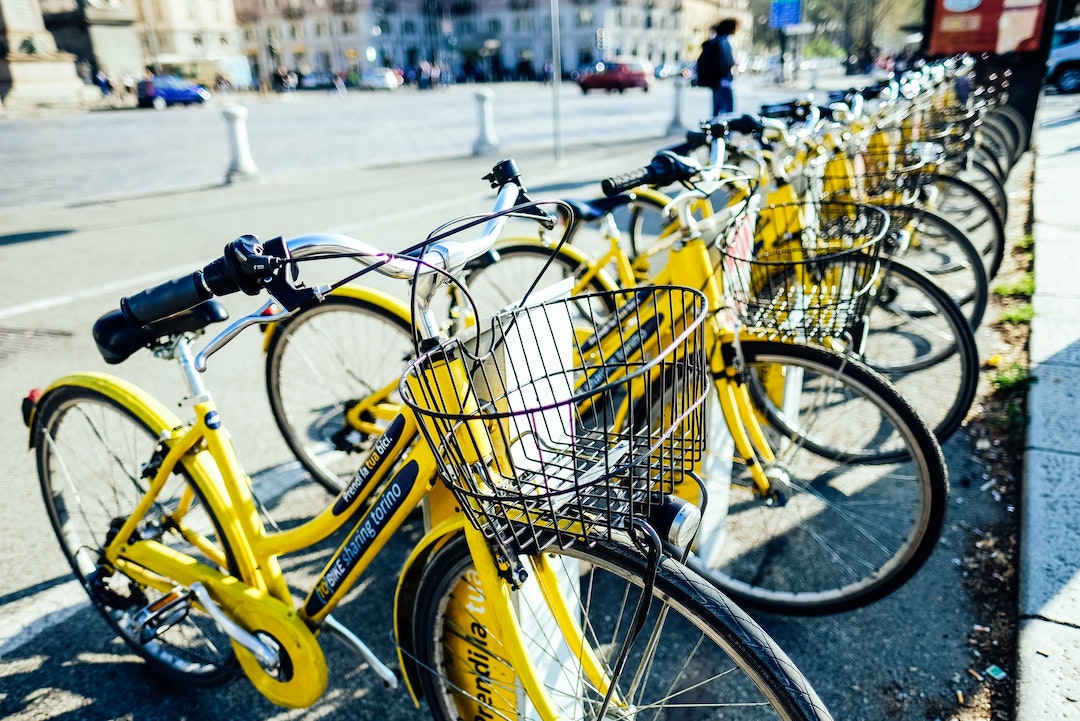
Public transit fits in ZEAs too: any transit that is servicing that area, such as a bus, would also need to be electric and would most likely be done in conjunction with other cities. Lastly, a zero emission area incentivises urban design for short trips back and forth across the city so people can go about their daily lives in a healthy, climate-friendly way. Imagine hopping off the electric bus and picking up an e-scooter for the final leg of your journey. In a ZEA, shared and private micromobility would be in high utilisation, and operators such as Voi are starting to think about optimal parking configurations that support more trips.
In addition to swapping out fossil fuel-powered transportation for clean, electric mobility, ZEAs support expanding mobility altogether. This is where the reallocation of public space comes into play, and levers such as curb management. Increased mobility is fostered by repurposing parking into curb access areas exclusively for transit, commercial, ride-hailing and micromobility. Los Angeles recently adopted the latest example of this by authorising curb access exclusively for zero emission delivery vehicles in its Downtown, a huge economic hub for Southern California.
What’s the hold-up?
Among the most recent advances towards this policy, the Netherlands announced plans to enable all its cities to set up ZEAs by 2025, a stepping stone to a full ban on gasoline vehicles. Yet despite quantified benefits of carbon emissions reductions, and a supportive movement towards this solution from partners such as Global New Mobility Coalition, new ZEAs have been incredibly difficult to institute.
So what’s the hold-up? ZEAs are politically challenging for a range of reasons. In some places there is strong opposition from proponents of free parking, while other cities lack jurisdiction for preferential access to parts of the city based on fuel choice. Though ZEAs build on existing policy and design tools, there continues to be a general lack of awareness about the potential benefits for clean air. City and regional leaders must also get up to speed on the factors to consider in using such areas as a tool to increase racial and economic equity.
It’s hard to imagine the urban transportation landscape transforming overnight, but the urgency of fossil fuel driven climate change means we can’t delay. With nine out of 10 people around the world experiencing poor air quality, ZEAs offer measurable and immediate relief to some of the major challenges that cities face.
The good news is that transportation experts and advocates are working with cities and the private sector to help make ZEAs a ubiquitous reality. Global New Mobility Coalition is helping connect industry with cities, C40 Cities is helping cities share learning for electrification of urban freight and busses, Greenlining is helping partners centre equity every step of the way, and CALSTART is helping industry prepare for the electrification of their delivery fleets, just one of the partners of the Drive Electric Campaign to decarbonise all road transportation by 2050.
Progress remains slow while ambition is growing, so we need cities to speed up in closing this gap. We will only truly have a shot at mitigating the climate crisis if our collective action moves faster than the speed of the changing climate.
Republished from the World Economic Forum