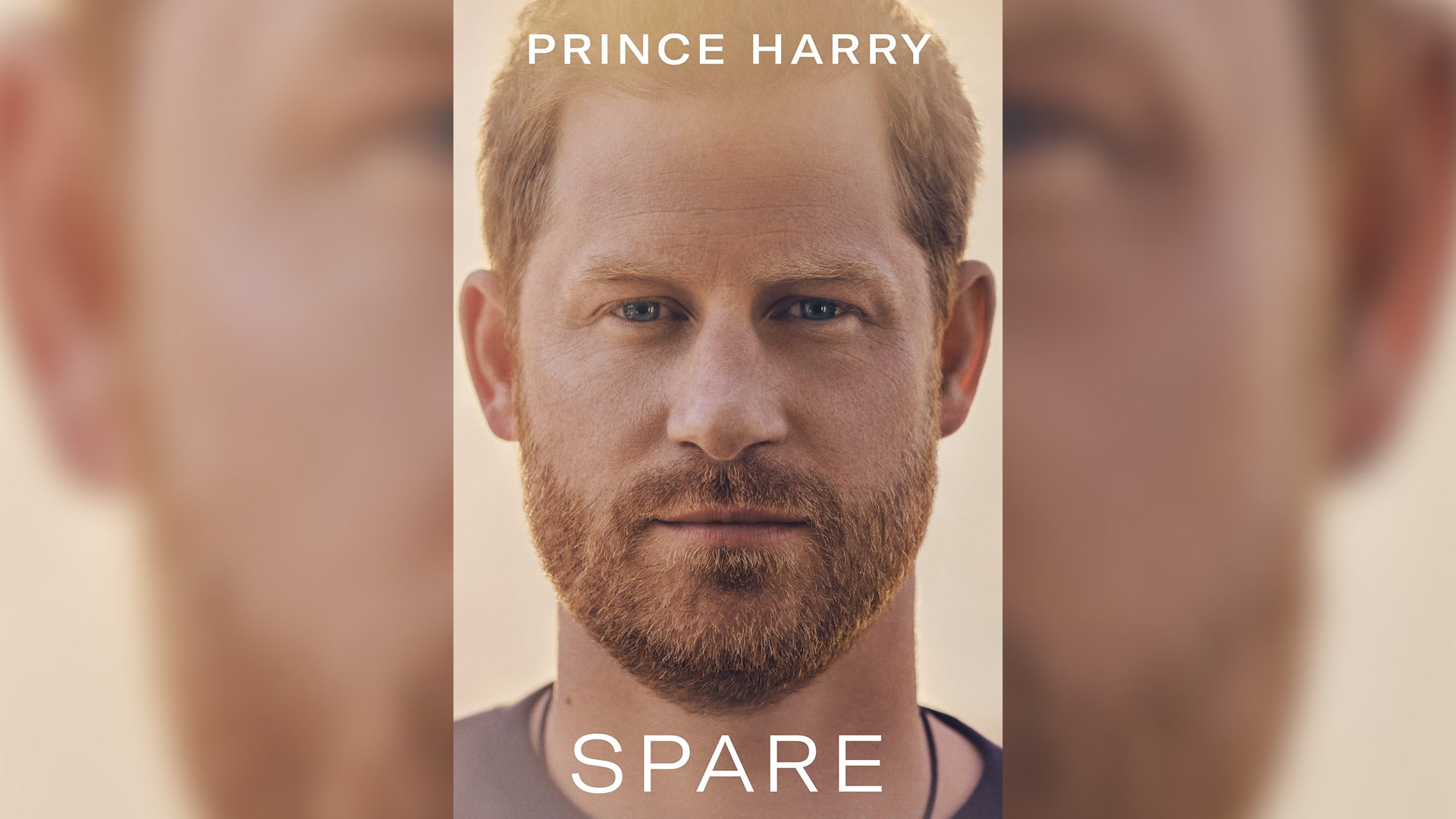
“My problem,” said Prince Harry to Tom Bradby in his ITV interview last night, “has never been with the monarchy, or the concept of monarchy. It’s with the press.”
On the one hand, Harry told a familiar story – one of endless obsession, harassment, gossip and lies. Paparazzi continuing to take photos of his mum as she died, none of them stopping to help her. Photographers climbing onto the bonnet of his car, making it impossible to see while he was driving. The racism directed at his wife, Meghan Markle.
On the other hand, he revealed that the royals are equally obsessed with the tabloid press. “Within my family, you have the newspapers laid out pretty much in every single palace,” he said, later adding that part of the reason he’d left the country “was to remove ourselves from this competition that was happening for the front pages”.
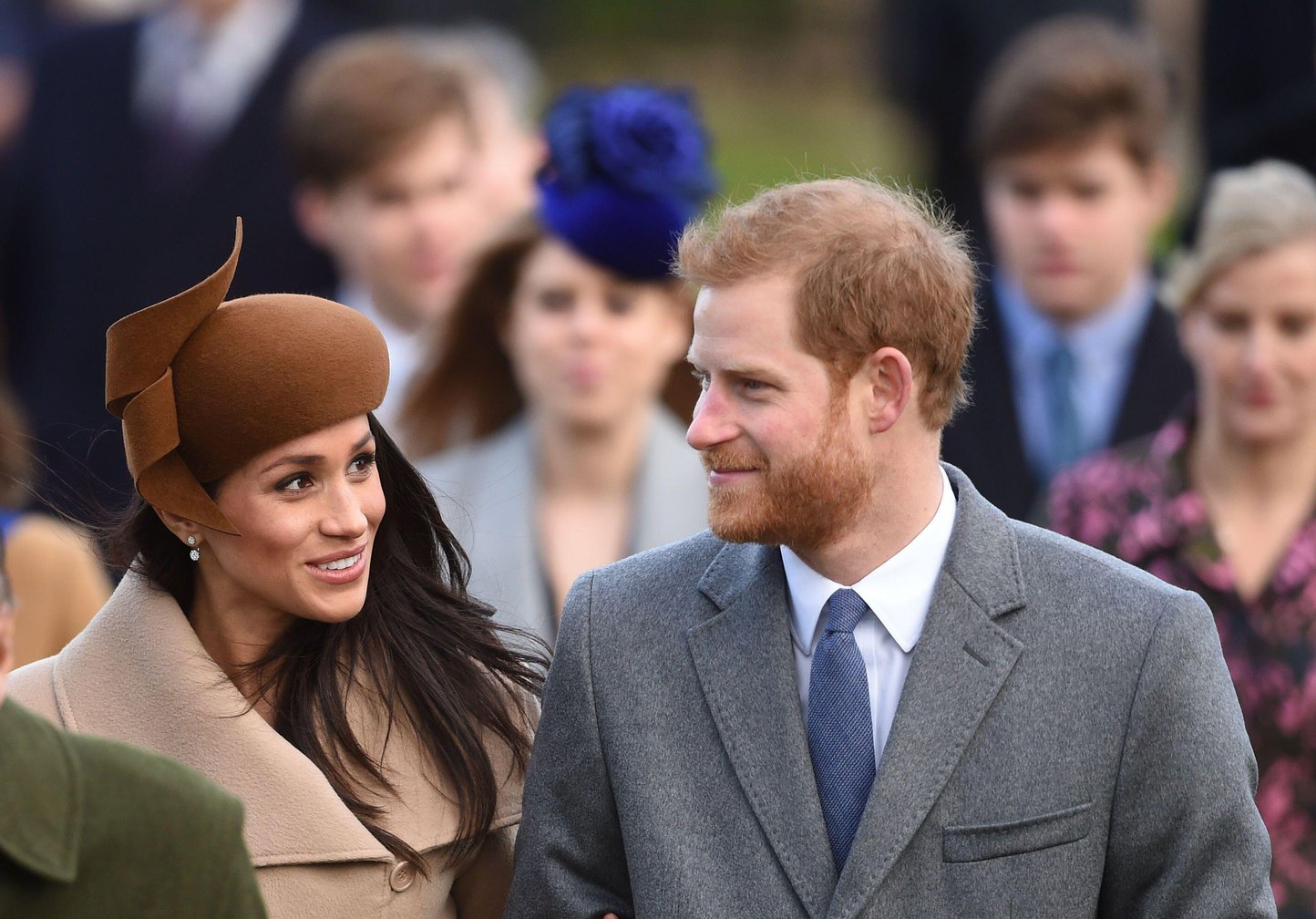
“My family have been briefing the press solidly for well over a decade,” he said, claiming that, “certain members” have decided to “get in bed with the devil to rehabilitate their image”.
“The relationship of the institution to the tabloid media,” he said “is of public interest”.
It’s more than that. It’s at the very core of Britain.
In his 1983 book ‘Imagined Communities’, Ben Anderson outlined his theory of how modern nations emerged as a result of the invention of the printing press and what he called ‘print capitalism’. As publishers started producing materials in vernacular languages, he argued, people from different places started to be able to understand each other – convening publics capable of having opinions and shared identities.
Where in the middle ages, territories and their residents were traded and conquered between dukes and princes and monarchs, with modernity came the birth of national ‘us’es, with a sense that they belonged to communities much bigger than those immediately around them. In parallel, demands for democracy – that these publics have a say – advanced.
Today, being a Church-going Anglican or from an army family is no longer the default. The monarchy has just one crutch left to lean on
Monarchs who failed to heed this new nationalist era soon found themselves headless. Britain’s learned, slowly, to adapt. Britain’s ruling class, including its media-owning elite, saw the advantages of maintaining this pomp and ceremony, which kept the plebs reverential and society hierarchical, and propped it up.
As Walter Bagehot, editor of the Economist, wrote in the 1860s, the point of the British monarchy is to “impress the many” while Westminster and Whitehall get on with “governing the many”. It is the “dignified” part of the constitution, which exists to “excite and preserve the reverence of the population”.
This mysticism is vital, the claims that the royals have been around forever, that they are a key part of ‘who we are’, giving cover to the capitalist class through connection to an imagined lineage that claims legitimacy through permanence. It places the hereditary principle (and so everything else that comes with genes, including whiteness) and the class system at the centre of what it means to be British, enshrining deference and hierarchy at the very core of national identity.
By the 20th century, TV and radio had arrived, and with them, the BBC, which emerged immediately after Ireland’s departure from the UK, and was founded, as Lord Reith once said, to ensure that the chimes of Big Ben, “the clock which beats the time over the Houses of Parliament, in the centre of the Empire”, could be “heard echoing in the loneliest cottage in the land”.
Reith was desperate to persuade George V to speak to his subjects through this new medium, and, as part of a campaign to convince him, the BBC gave him a wireless in 1924, which he’s said to have regularly used. Various of the King’s speeches from that year were recorded and broadcast, attracting then-record audiences across the Empire and, in 1932, he delivered the first Christmas speech, which earned him the nickname ‘Grandpa England’ from the young Princess Elizabeth.
In 1952, with television on the rise, Elizabeth II invited the cameras into her coronation, helping to sell more than half a million TV sets across the UK. Images of the royal pageantry were beamed into living rooms across the country, by all accounts inducing deep feelings of solemn ceremonial significance among millions.
But at that point, the monarchy could still lean on other institutions to cement its significance. After the war, Britain was going through a religious revival and the monarch was head of the Church of England, crowned by the Archbishop of Canterbury. Society was hugely militarised, drilled into discipline and hierarchy and the Queen was head of the armed forces. Britain had just birthed the NHS and the welfare state, and the share of wealth owned by the top 10% was falling, while the share owned by the middle 40% was rising.
Today, none of these things applies: being a Church-going Anglican or from an army family is no longer the default. The NHS and welfare state are falling apart, and inequality has risen in recent years. The monarchy has just one crutch it can lean on to maintain its relevance and popularity: the media.
In a parallel universe, you could see Harry and Meghan boosting the Windsors’ popularity abroad. But dying institutions are bad at seeing opportunity
Without Lord Rothermere and Rupert Murdoch regularly giving them front-page news, who would care about the exploits of Charles, Camilla, William and Catherine? Some people, sure. But many fewer. Like Dutch or Danish monarchs, they would be a curiosity rather than an obsession.
But the print media is in the midst of its own crisis. With advertising revenue collapsing towards the social media giants over the last decades, and fewer and fewer people buying physical papers, they, too, are desperate for relevance, desperate to squeeze ever more stories out of the dysfunctional family at the centre of the community they imagine into being every morning.
Meanwhile, these communities they once convened are stretching their boundaries beyond the kingdoms of old. It’s no coincidence that Harry and Meghan launched their documentary on Netflix rather than the BBC, nor that he gave interviews to both ITV and CBS in the US: unlike the rest of his family, Harry has joined the transatlantic Anglosphere.
The palace could have used that. “If my father asks us for support across the Commonwealth, then that is certainly an open discussion,” Harry said yesterday. In a parallel universe, you could see him and Meghan boosting the Windsors’ popularity in Canada or the Caribbean realms. But dying institutions are bad at seeing opportunity.
It’s easy to dismiss the whole quarrel as puff. While Harry’s life surely is made harder by the paparazzi, it’s still easier than most of his dad’s subjects’. But the royal family aren’t just any old fluff, they are the padding that protects the British state.
We can’t understand the central question of British politics – why does England vote Tory perhaps more consistently than any other nation on earth votes for a party? – without starting to think about the conjoined mass of monarchy, class, empire, and the British press. We won’t really change Britain until we get serious about abolition.
Republished from openDemocracy