dotlah! dotlah!
  • Cities
  • Technology
  • Business
  • Politics
  • Society
  • Science
  • About
Social Links
  • zedreviews.com
  • citi.io
  • aster.cloud
  • liwaiwai.com
  • guzz.co.uk
  • atinatin.com
0 Likes
0 Followers
0 Subscribers
dotlah!
  • Cities
  • Technology
  • Business
  • Politics
  • Society
  • Science
  • About
  • Lah!

The Future Of Energy Is Being Shaped In Asia

  • December 30, 2019
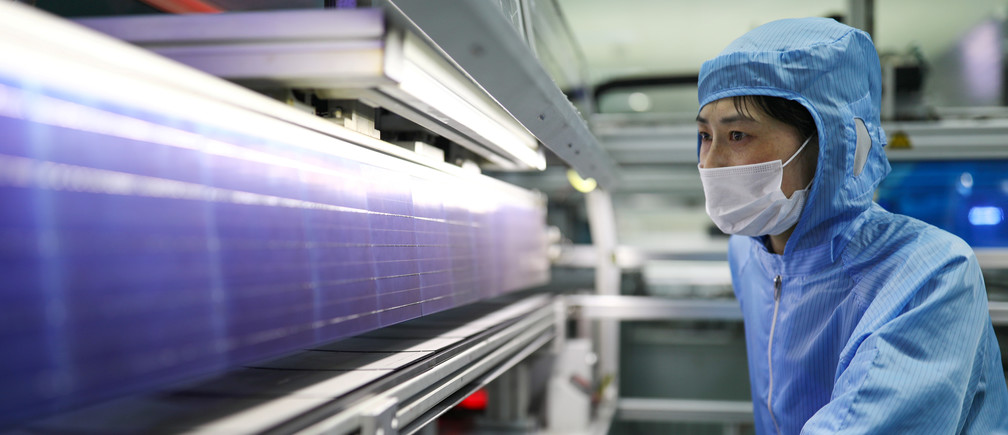
Image: REUTERS
Total
0
Shares
0
0
0

A Frenchman is credited with being the first to discover the photovoltaic effect that produces electricity from sunlight. The first solar panel was built in the US. But when Abu Dhabi decided to build the world’s largest individual solar power project, they looked east for help.

The country partnered with Chinese and Japanese companies to construct a facility, which opened this year, with a peak capacity of 1.18 gigawatts generated by 3.2 million solar panels. That’s because Asia, more than any other region on the planet, and China, more than any other nation, currently represent the future of solar energy, and are at the heart of the ensuing industrywide transformation from fossil fuels to renewable and nuclear energy.

Decarbonization is changing the face of energy and the world economy in more ways than most consumers — and even most executives — appreciate. Besides the transition from molecule to electron, as this move toward electrification suggests, it is also shifting the industry’s economic base from West to East and reconfiguring the hierarchy of companies and geographies that define energy.

Asia is the 800-pound gorilla in the energy story. First, its continued economic growth and rising standard of living will make its constituent nations pre-eminent energy consumers for the foreseeable future. A study by BP indicates that Asia, including China and India, will represent 43% of global energy demand by 2040, and through that year, the region will account for more than 50% of the growth in demand. In contrast, energy demand among the 36 nations in the OECD, which includes most big economies in the Americas and Europe, will be flat.

China’s sunny outlook

Second, places like China are already among the most important suppliers of non-fossil fuel-based energy and technology. By 2017, China owned 72% of the world’s solar photovoltaic module production; in comparison, the US has 1% and Europe 2%. Of the eight top producers, six are Asian. Not including hydropower, China has somewhere around one-third of the world’s installed renewable capacity; the EU has a little over a quarter; and the US accounts for 14%. China also leads in the generation of hydropower.

As the electrification of transportation advances and demand grows for renewable energy storage solutions, China looks likely to monopolize here, too. China produces at least two-thirds of the world’s production capacity for lithium-ion batteries, which are used in electric vehicles (EVs), mobile phones and laptop computers (some estimates put their share at closer to 70%), and it looks likely to hang on to that lead through at least 2028. And besides being the largest market for EVs, China also controls the bulk of production.

China is the third-largest miner of the primary raw material used to produce those batteries, lithium — often referred to as white petroleum because of its mounting economic importance. Chinese producers are also buying up lithium reserves in Chile, the world’s second-largest lithium miner (Australia takes the top spot).

China and India accounted for almost half of the world's growth of demand for energy in 2018
China and India accounted for almost half of the world’s growth of demand for energy in 2018. Image: BP Statistical Review of World Energy 2019

A fundamental overhaul

Of course, climate change is forcing the energy industry to undergo an existential transformation that may eventually see the elimination of fossil fuels entirely. While most executives at oil companies will be dead or at least retired before that transition proceeds to what seems its inevitable end, the slowing of demand is already being felt.

Worldwide, demand for oil will peak in around 2034, according to Vitol, a Switzerland-based energy and commodity trading company. Wood Mackenzie, a commercial intelligence consultancy, reckons demand in the developed world has probably already topped out, with the OECD expected to move into structural decline by next year. The global demand for liquid fuel is about to see its growth rate take a dramatic dip over the next five years.

By contrast, the demand for electricity seems insatiable. Electrification rates continue to rise across the globe, with Asia expected to be close to 100% coverage by 2030. Much of that growth in demand may be supplied by renewables and nuclear power rather than fossil fuel-generated power, although natural gas is expected to play a role for years to come. It also may be accomplished through a decentralization of generating capacity, such as recent rural electrification projects in places like Malawi and Bangladesh where farmers and villages use solar panels and small generators to provide their own electricity.

Yet despite the urgency of climate concerns and the rapidly falling cost of renewable energy, the speed at which this existential energy transition will happen is uncertain, as pre- and post-tax subsidies on fossil fuels remain in place, discouraging consumers to make the change to a more environmentally beneficial and frequently cheaper source of energy. The International Monetary Fund estimates post-tax subsidies on fossil fuels like coal and petroleum — a result of unpriced externalities, such as societal costs from air pollution and global warming — totalled $5.2 trillion in 2017.

Regardless of the speed of transformation, there’s no doubt it is already well under way. That’s why places like the United Arab Emirates (of which Abu Dhabi is the largest) are building solar power and nuclear facilities, despite being the world’s eighth-largest oil producer — and making the transition with Asian partners. They see the future.


Francois Austin

This article is republished from the World Economic Forum.
Total
0
Shares
Share
Tweet
Share
Share
Related Topics
  • Asia
  • China
  • Energy
  • India
majulah

Previous Article
  • Science
  • Technology

NUS Researchers Develop New Microsensor Implants For 24/7 Health Monitoring

  • December 27, 2019
View Post
Next Article
  • Technology

Google And IMDA Expand Support For Code In The Community With A $2M Grant

  • January 7, 2020
View Post
You May Also Like
View Post
  • Lah!

Tariffs, Trump, and Other Things That Start With T – They’re Not The Problem, It’s How We Use Them

  • John Francis
  • March 25, 2025
View Post
  • Lah!

Canonical announces 12 year Kubernetes LTS

  • John Francis
  • March 4, 2025
dotlah-smartnation-singapore-lawrence-wong
View Post
  • Artificial Intelligence
  • Featured
  • Features
  • Lah!
  • Machine Learning
  • Technology

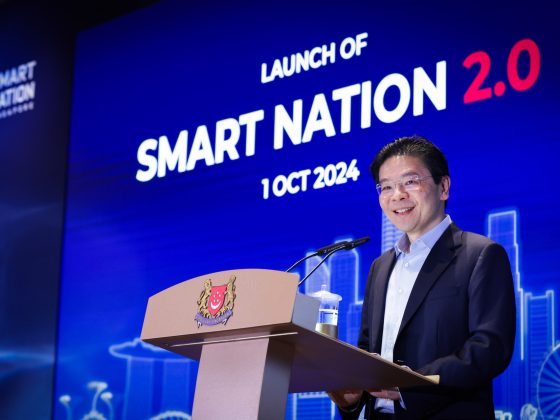
Growth, community and trust the ‘building blocks’ as Singapore refreshes Smart Nation strategies: PM Wong

  • Dean Marc
  • October 9, 2024
dotlah-singapore-ndp-2024
View Post
  • Lah!

Here’s what to expect for NDP 2024!

  • dotlah.com
  • August 9, 2024
dotlah-singapore-airlines_may_21-1716298816
View Post
  • Lah!

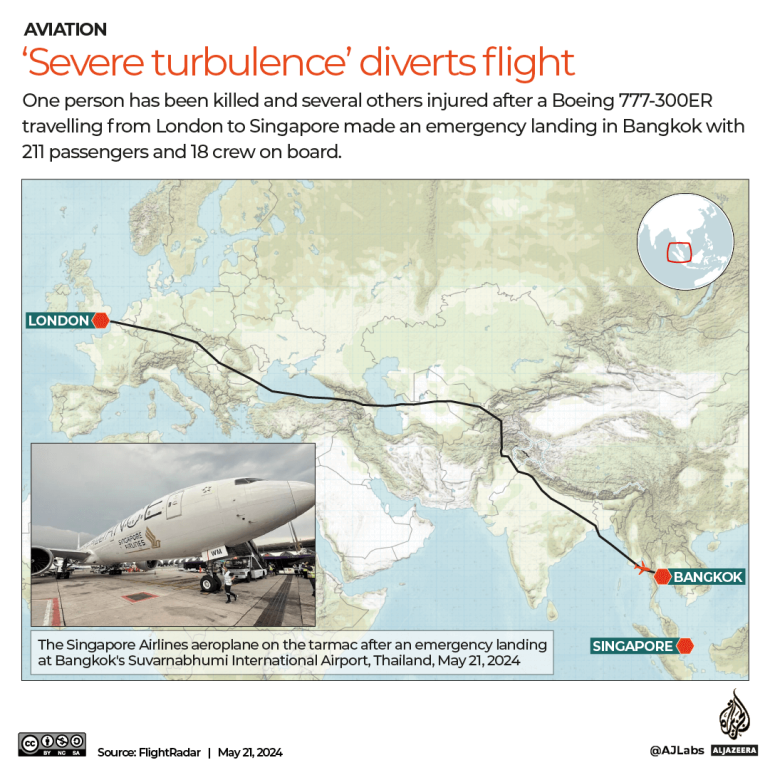
Severe turbulence during Singapore Airlines flight leaves several people badly injured. One man died

  • majulah
  • May 22, 2024
dotlah-pm-lee-lawrence-wong-9656d4cd-1fa4-40ed-905d-e19e639b8476_728802dd
View Post
  • Lah!
  • People
  • Politics

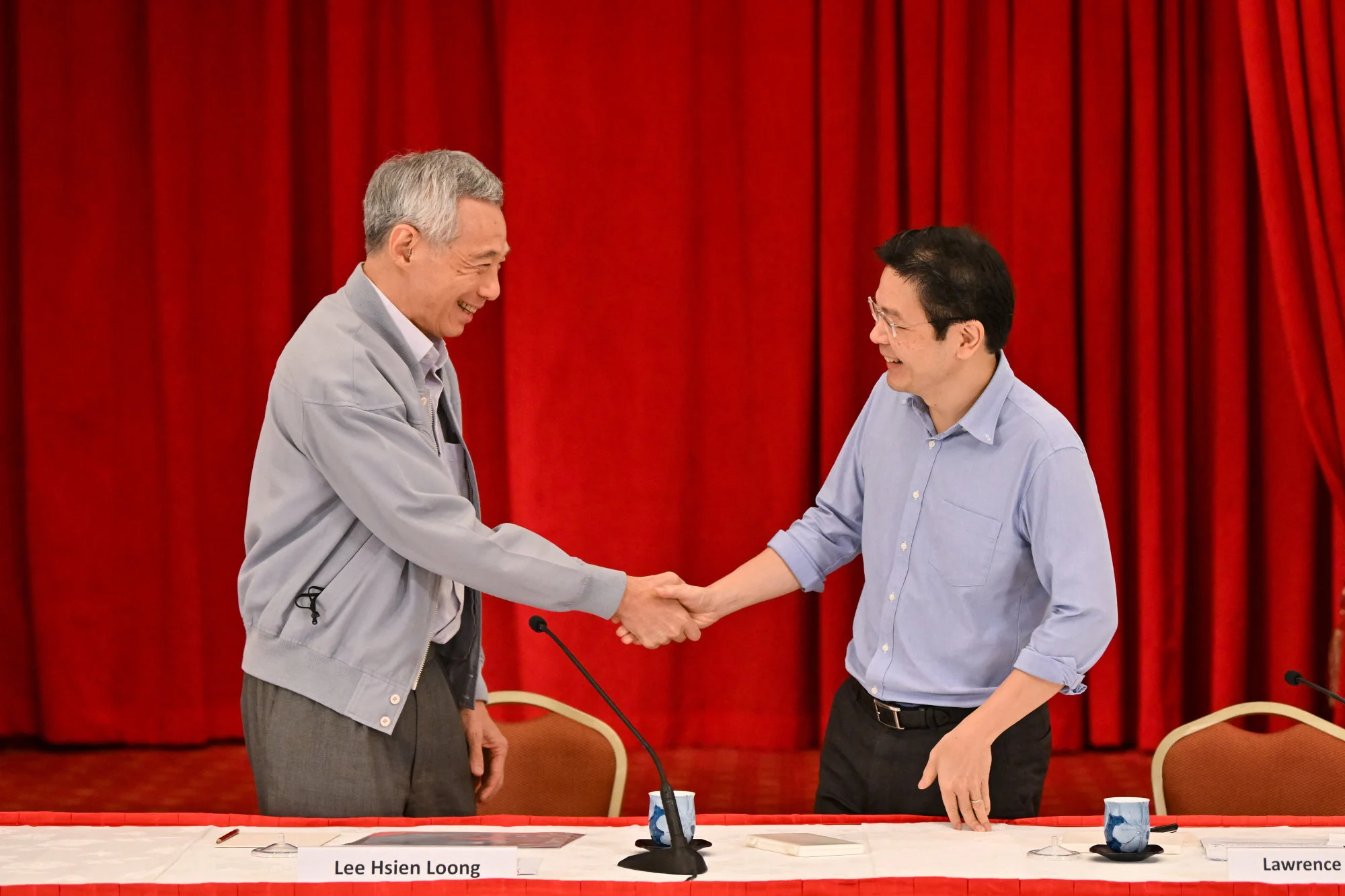
End of Lee Era for Singapore as PM Steps Down

  • dotlah.com
  • May 16, 2024
DPM Lawrence Wong will be Singapore's fourth prime minister on May 15. ST PHOTO: LIM YAOHUI
View Post
  • Lah!
  • People
  • Politics

7 things to know about Singapore’s next prime minister Lawrence Wong

  • dotlah.com
  • May 15, 2024
When asked about his leadership style, DPM Lawrence Wong said he will be open and consultative, but he will not shirk from doing what is necessary for Singapore's future. ST PHOTO: LIM YAOHUI
View Post
  • Features
  • Lah!
  • People
  • Politics

‘We are prepared to relook everything’: Lawrence Wong on a changing society and his hopes for S’pore

  • dotlah.com
  • May 15, 2024


Trending
  • 1
    • Cities
    3 Monthly Expenses You Can Trim To Save Money In The City
    • February 25, 2020
  • 2
    • Lah!
    • Technology
    Leveraging AI For Better Hiring Practices
    • January 19, 2021
  • 3
    • Cities
    • Scapes
    Top Free Things To Do In London
    • August 10, 2020
  • cycling bike 4
    • Cities
    • People
    Why Bicycle Accidents Can Be So Devastating
    • January 18, 2021
  • women-working-cowomen-ZKHksse8tUU-unsplash 5
    • People
    The Countries With the Most Female Inventors
    • February 15, 2022
  • 6
    • Cities
    • Society
    COVID-19: This Is How Asia-Pacific Is Emerging From Lockdown
    • May 8, 2020
  • 7
    • Artificial Intelligence
    • Technology
    Ceva Expands Embedded AI NPU Ecosystem with New Partnerships That Accelerate Time-to-Market for Smart Edge Devices
    • January 7, 2025
  • 8
    • Cities
    How Tech Helps To Stop City Smog From Ruining The Indoor Air Quality
    • May 25, 2020
  • 9
    • Lah!
    VR Study Finds Vertical Greenery Useful As Stress Buffer
    • July 7, 2021
  • 10
    • Technology
    UOB Asset Management Sees Surge In Online Corporate Investing As Companies, Especially SMEs, Reap The Benefits Of Digitalisation
    • July 15, 2021
  • 11
    • Lah!
    Singapore Tops World Competitiveness Ranking For 2020
    • June 25, 2020
  • 12
    • Lah!
    • Technology
    Microsoft Launches First Experience Center Worldwide for Asia in Singapore
    • November 14, 2019
Trending
  • 1
    Chinese tech giant Huawei unveils Mate 90 series smartphones with flagship Tau chips adopting logic folding technology
    • October 3, 2026
  • 2
    Google Opens Singapore Engineering Center to Build and Export Enterprise Cloud and AI to the World
    • September 15, 2026
  • 3
    Apple Flagship Hardware Launch for September 2026
    • September 10, 2026
  • 4
    MIT researchers tackle the economic realities of fusion power
    • August 10, 2026
  • 5
    ASEAN, treaty parties push stronger cooperation as Treaty of Amity and Cooperation in Southeast Asia marks 50 years
    • July 26, 2026
  • 6
    The Fastest AI Fried Chicken In The World
    • June 29, 2026
  • 7
    Zed Approves | How to Stay Cool in Extreme Heat
    • June 29, 2026
  • 8
    Was Venezuela struck by an earthquake ‘doublet’? Here’s what we know so far
    • June 27, 2026
  • 9
    Zed Approves | It’s Prime Day 2026! Time to Upgrade Your World Cup Viewing Setup and Beat the Heat
    • June 25, 2026
  • 10
    Zed Approves | The Best Prime Day PC Deals: Top Gaming Rigs, Workstations, and Everyday Laptops
    • June 25, 2026
Social Links
dotlah! dotlah!
  • Cities
  • Technology
  • Business
  • Politics
  • Society
  • Science
  • About
Connecting Dots Across Asia's Tech and Urban Landscape

Input your search keywords and press Enter.