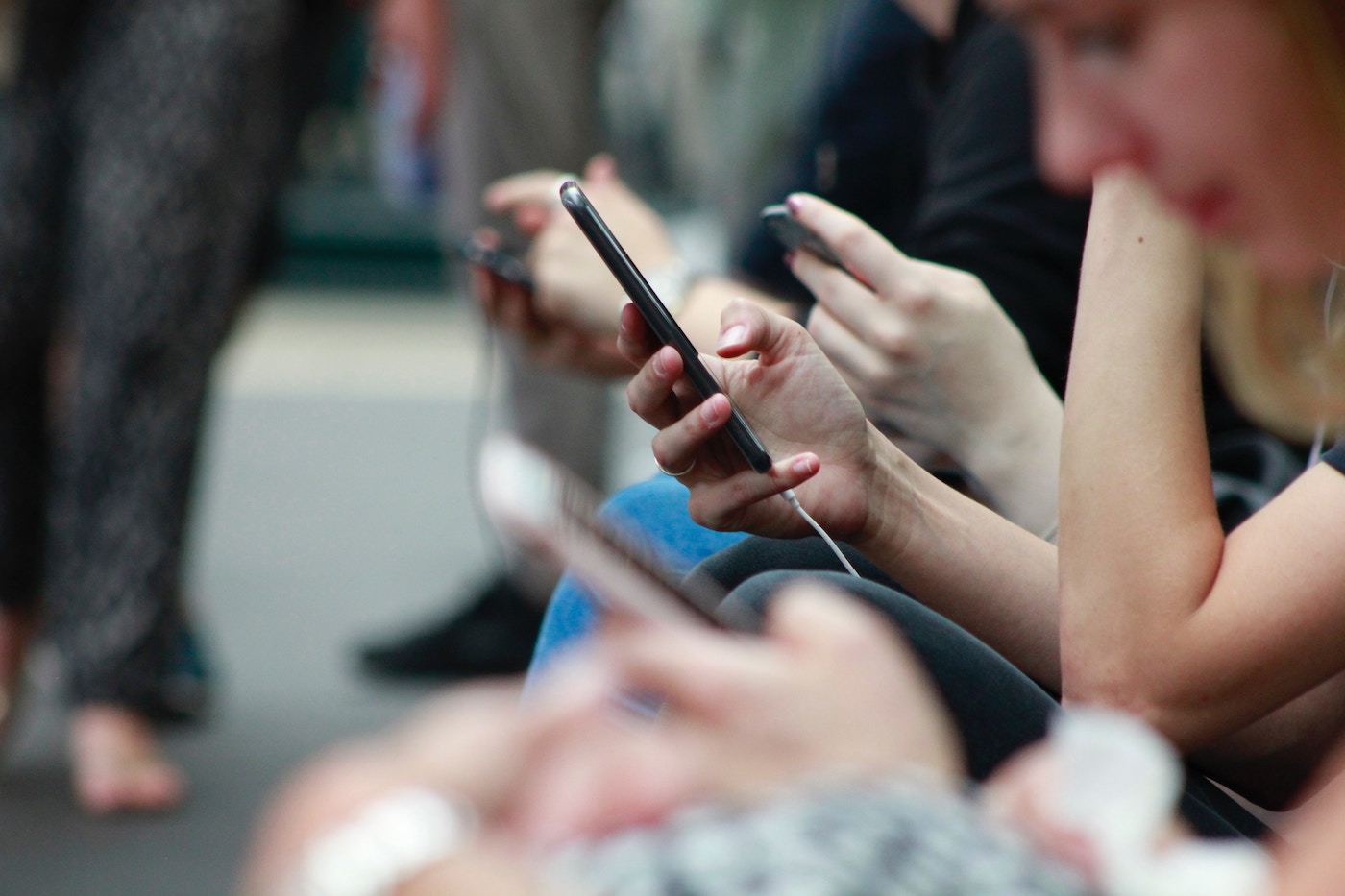
Young people are now fully ensconced in the digital age as it whirls around and within them.
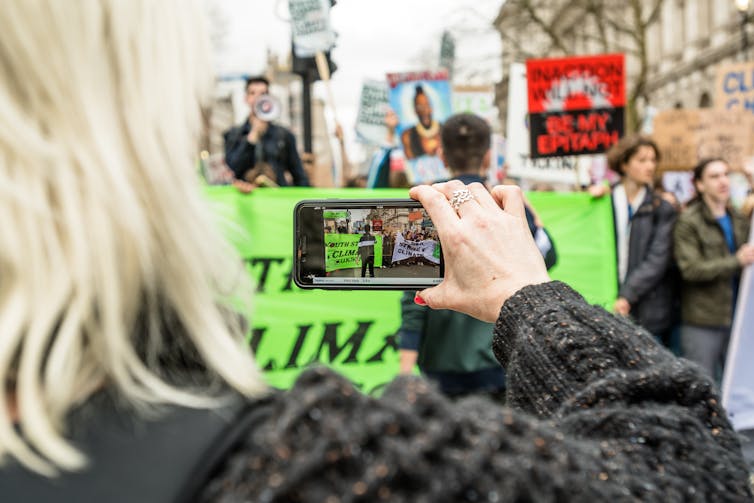
This is the epoch of the Anthropocene — the age of humans, wherein a technological worldview and human tools hold the central place in re-shaping the earth and its people. It’s also a time when 1.8 billion youth make up the largest generation of 10 to 24 year olds in human history with 50 per cent of the world’s population under 30 years of age.
I have investigated the lives of young people for nearly three decades. I am interested in how young people are living today when our planet has been driven to fragility by consumption trends intimately related to the rise of mass production made possible through technologies.
Digital technologies have been too frequently adopted into schools with use and guideline policies that haven’t considered long-term environmental, health or ethical impacts: today, equity concerns have moved beyond worrying that poorer children don’t have devices to grappling with what it means if wealthy developers are raising children tech-free.
Researchers focused on the Global South have highlighted how access to technology has been driven by commercial interests and data about outcomes is generated by people who stand to profit. Those who care for youth must find new ways to determine if there are any potential benefits for youth when living immersed in digital technology — particularly because interventions to distribute more technology can compound rather than remove existing inequalities.
With my Young Lives Research Lab team based at York University, I conducted a five-year study of youth and the digital age by analyzing 185 narrative accounts we collected from young people (ages 16-24) in Canada, Australia and Scotland. From these accounts, it’s clear to me they don’t think technology is the panacea for well-being it was once argued to be.
Left to their own devices
Today, when digital surveillance is higher than ever, there is a hollowing out of learning, a shallowness that comes with abuses of privacy and surveillance and from a loss of cherished human contact.
Young people say that digital tools and ways of living are morphing beyond recognition. They live a deep modern techno-paradox and are left to their own devices (pardon the pun) to sort it out. They worry about what digital media is doing to the children they observe.
Naomi, one youth participant, highlighted a feeling of vulnerability:
“Most of their apps and social media apps are geared towards our age group because I feel like you can do the most … I don’t know why, it feels like they want to make us do damage. I don’t know who ‘they’ even is , but I feel like we’re just the most vulnerable crowd for them to zone in on, and for them to get as much as they possibly can out of us for their benefit.”
Earth stood still
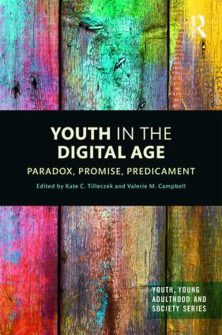
As part of our youth study, my collaborator Ron Srigley designed and analyzed an inquiry whereby youth lived without their phones for a week. Ron’s chapter in Youth in the Digital Age: Paradox, Promise, Predicament reported the findings from this empirical inquiry.
Youth described a loss of human contact, finding more freedom and focus and having a chance to consider ethical and moral problems of living on mobile phones, apps and media. One comment was typical:
“My mom thought it was great that I did not have my phone because I paid more attention to her while she was talking.”
One youth noticed that simply walking “by strangers in the hallway or when I passed them on the street” caused almost everyone to take “out their phone right before I could gain eye contact with them.”
Several youth suggested that without the phone, they lacked the confidence to solve basic problems or feared for their safety:
“Believe it or not I had to walk up to a stranger and ask what time it was. It honestly took me a lot of guts and confidence to ask someone.”
“Another thing I didn’t like about not having a cellphone that made me kind of scared at times was if someone were to attack me or kidnap me … I really wouldn’t be in any position to get help for myself …”
Youth reported a heightened awareness of a sense of acute conflict of missing instant online connection.
One person said living without their phone was “like the Earth stood still.”

Upgrades to people
In both the “no-phone experiment” and the other in-depth interviews, youth expressed both a deeply ingrained and taken-for-granted connection to their phones, while simultaneously feeling despair about a foreboding sense of technology taking over human lives.
As Easton stated:
“I think humans are going to become the new technology, and companies are going to be selling upgrades to people.”
Or, as Piper recounted:
“It’s good that technology is advancing fast because then maybe it will help some for a good cause. But also then there’s the downside of … how do you control it?”

Digital lives and wellness
Have we lost sight of the emotional, spiritual and physical well-being of youth?
Young people in our research asked that adults better attend to the myriad ways in which the digital age affects the well-being of youth. They showed how digital media affects all aspects of their lives in which well-being is measured such as health, education and social relationships.
More interesting is that they said new analyses about the depth and paradox of young digital lives is required if we are to fully understand youth wellness.
As one result of what I heard from the youth in our study, I am now involved in a global research network concerned with youth and the Anthropocene. This network is investigating what it’s like to be young now and how young people navigate wellness in this fragile time.
Researchers in this network have connected with the help of digital media — while raising concerns about the technological and capitalistic worldview from within which these tools are born.
It is time to ask whether and how societies will support youth wellness in the Anthropocene and digital age. To do this well, we must engage and listen to young people.

Kate C. Tilleczek, Professor and Canada Research Chair, Young Lives, Education and Global Good, York University, Canada
This article is republished from The Conversation under a Creative Commons license. Read the original article.